
Sansevieria aethiopica
Sansevieria aethiopica Thunb.
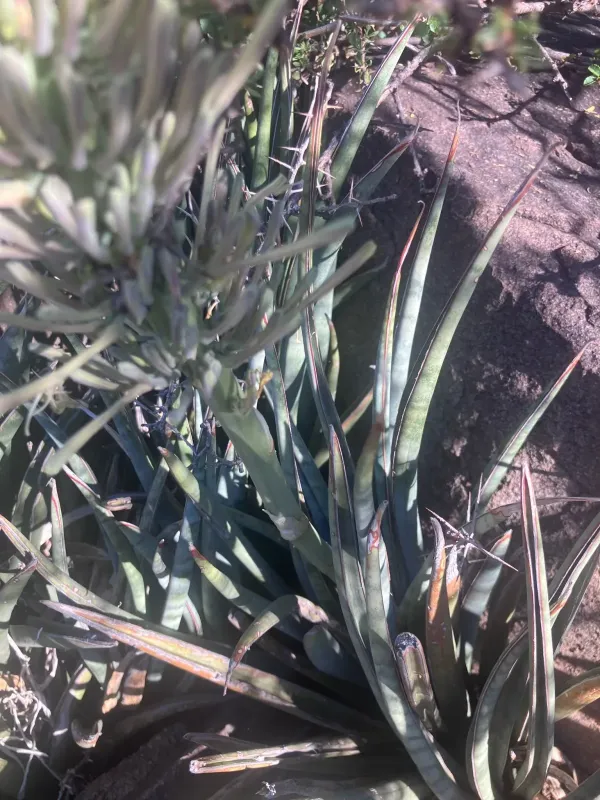
Description
Growing requirements
Sansevieria aethiopica is a perennial succulent belonging to the Asparagaceae family. Originating from Southern Africa, it is perfectly adapted to rocky landscapes and savanna habitats, where it thrives in harsh, dry conditions.
The plant features stiff, sword-shaped leaves arranged in dense rosettes. These leaves have a thick, waxy cuticle that acts as a protective barrier, reducing transpiration and allowing the plant to survive extended periods of drought.
Successful cultivation requires well-draining soil, such as sandy loam or specialized succulent potting mixes. The root system is shallow and highly sensitive to waterlogging, which necessitates careful irrigation management during the growing season.
In terms of climate, the crop performs best in temperatures between 20°C and 28°C. While it is quite hardy, it lacks frost resistance and must be protected from freezing temperatures to prevent permanent damage to its cellular structure.
Economically, Sansevieria aethiopica is valued for its durable leaf fibers, which have been used in various fiber-based applications. Additionally, it remains a prominent plant in urban agriculture and indoor landscaping due to its air-purifying properties.
Main diseases and pests
The primary pests affecting this crop include mealybugs and spider mites, which congregate at the base of the leaves. Implementing early detection strategies and applying targeted systemic insecticides are essential for maintaining crop health.
Fungal pathogens such as Fusarium or crown rot are common consequences of overwatering or poor ventilation. Managing humidity levels and ensuring excellent soil aeration are the most effective preventive measures against these diseases.