
Gulf cordgrass
Spartina spartinae
Description
Growing requirements
Gulf cordgrass (Spartina spartinae) is a prominent member of the Poaceae family. It is a robust, perennial bunchgrass characterized by its dense growth habit and remarkable tolerance to harsh environmental conditions, particularly high soil salinity.
Native to the coastal regions of the Americas, this species is commonly found in salt marshes and coastal prairies. Its natural habitat includes zones subject to periodic flooding, making it highly adaptable to moisture-stressed environments.
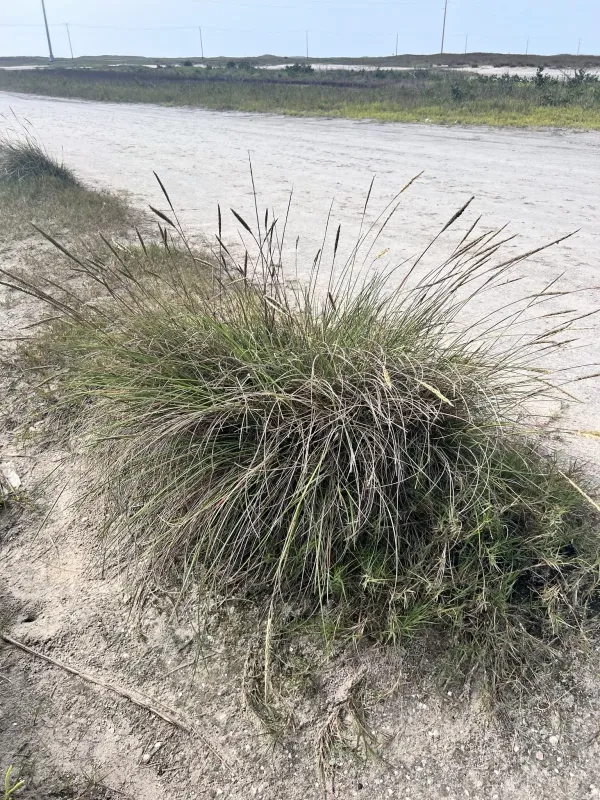
Botanically, it forms thick, erect clumps that can reach heights of up to 1.5 meters. The leaves are narrow, long, and rigid, with sharp tips. The root system is deep and fibrous, which is critical for stabilizing sandy or silty soils prone to erosion.
Climatic requirements favor regions with warm summers and mild winters. While it is hardy and can withstand brief cold snaps, the plant reaches its maximum biomass potential in subtropical and temperate climates with adequate sunlight.
Regarding soil, it is an excellent pioneer species for degraded lands. It thrives in saline and sodic soils where most conventional crops would fail. It requires minimal fertilization, as it is evolved to extract nutrients effectively from nutrient-poor, saline substrates.
Yield
The primary use of Gulf cordgrass is for environmental restoration and erosion control. Its ability to create dense, living mats makes it a preferred choice for stabilizing shorelines, road embankments, and areas impacted by land-clearing activities.
In terms of agricultural productivity, it is increasingly studied for biomass production. Its high cellulose content makes it a candidate for biofuel manufacturing, as it can grow on marginal land that does not compete with food crops.
Forage value is limited due to the plant's high silica content and tough texture. While young regrowth can be grazed by livestock, it is generally considered a low-quality forage and is more suited for hay production when harvested early in the season.
It also serves as a vital component in phytoremediation projects. The grass is effective at mitigating nutrient runoff and absorbing specific salts, which helps improve water quality in agricultural settings where drainage is an issue.
Yield consistency depends heavily on water availability and soil salinity levels. Under managed conditions, the plant displays a high rate of regrowth after harvesting, allowing for multiple cuts in favorable growing seasons.
Main diseases and pests
Gulf cordgrass is remarkably resistant to most diseases common to cereal crops. Its physiological adaptations to saline environments create an unfavorable substrate for common fungal pathogens and bacterial infections.
Pest pressure is minimal. The presence of abrasive silica in the foliage deters many common insects, meaning that large-scale cultivation can be achieved with little to no chemical intervention or pesticide application.
The main threat to new plantings is competition from invasive plant species during the establishment phase. Ensuring weed-free conditions during the first season is essential for the grass to establish its deep root system.
Overgrazing by livestock can lead to the thinning of the stand. While the plant is durable, continuous pressure without resting periods can degrade the soil surface, potentially exposing the area to erosive forces.
While extremely hardy, extreme soil toxicity combined with prolonged drought may eventually limit growth. Regular monitoring of the site's water management is advised to maintain the health and density of the cordgrass stand.