
Giant cordgrass
Spartina cynosuroides
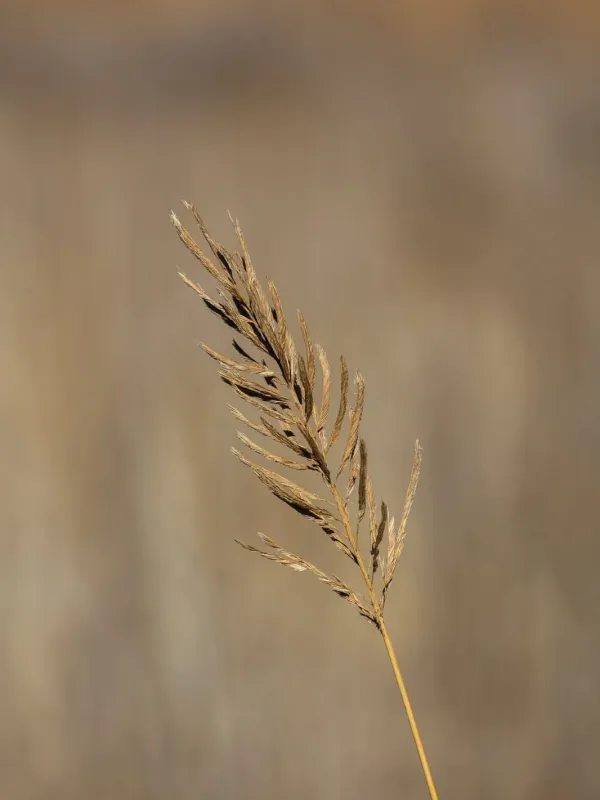
Description
Growing requirements
Giant cordgrass (Spartina cynosuroides) is a robust, perennial grass belonging to the Poaceae family, widely recognized for its adaptation to wetland environments.
This species features extensive rhizomes that allow it to colonize marshes, brackish areas, and coastal regions with varying levels of salinity and water saturation.
The plant thrives in full sun and is capable of surviving in soils that are frequently flooded or waterlogged, where conventional agricultural crops would succumb to root rot.
Its natural distribution is primarily centered in coastal zones, where it functions as a primary producer, supporting local ecosystems and protecting coastlines.
Agricultural success with this crop relies on matching its environmental needs, specifically ensuring adequate water levels and preventing severe competition from invasive woody plants.
Yield
The primary economic value of Giant cordgrass lies in its massive biomass production, which is increasingly explored for biofuel generation and cellulosic ethanol production.
Yield capacity is high, often exceeding that of terrestrial grasses in similar climates, thanks to the continuous nutrient availability in marsh soils.
Harvesting efficiency is determined by the timing of the cutting, as the moisture content and structural integrity of the stems vary significantly throughout the season.
While historically limited in use as fodder due to its fibrous nature, its potential as a sustainable raw material for industrial applications remains significant.
Modern management practices involve optimizing the harvest cycles to ensure stand longevity while maintaining consistent annual yields of high-quality biomass.
Main diseases and pests
Giant cordgrass is remarkably resilient to many common plant diseases, largely due to the unique chemistry of the saline or waterlogged environments it inhabits.
Potential threats include specialized herbivorous insects that can cause minor damage to the foliage, though these rarely reach levels requiring intervention.
Fungal issues such as rust or leaf spots may occur in stagnant areas if air circulation is poor, though these are typically managed by adjusting water drainage.
Invasive non-native species are the most significant threat, as they may displace cordgrass stands and alter the ecological balance of the cultivated marsh site.
Integrated pest management in this context focuses on maintaining environmental health rather than chemical control, ensuring the crop remains productive for years.