
Spartina densiflora
Spartina densiflora
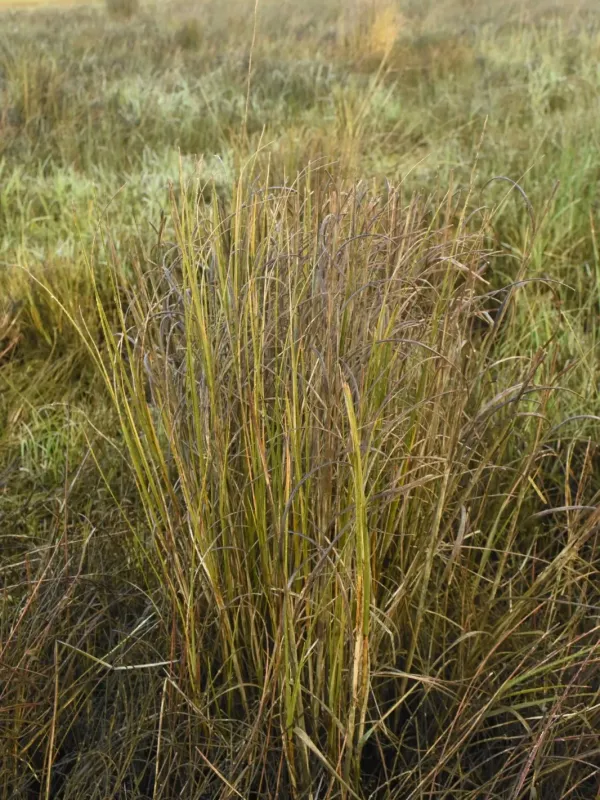
Description
Growing requirements
Spartina densiflora belongs to the Poaceae family. It is a perennial herbaceous plant characterized by a high degree of adaptation to saline and waterlogged soils.
In its natural habitat, the plant grows in coastal zones, estuaries, and salt marshes. It is capable of enduring prolonged flooding with seawater, making it a unique candidate for reclamation in extreme environmental conditions.
Optimal development of this crop requires specific substrates rich in organic matter with high moisture retention. The plant demonstrates significant tolerance to high concentrations of sodium and chloride in the soil solution.
Climate preferences for Spartina include regions with temperate conditions, avoiding extreme winter temperature fluctuations. Under optimal light and hydration, it develops a robust root system.
Agricultural management requirements include monitoring salinity levels and maintaining soil moisture to ensure the biomass productivity of the population.
Yield
The economic use of Spartina densiflora is often limited by its aggressive spread, as it is frequently categorized as an invasive species. However, it is effectively utilized for soil stabilization in coastal erosion control projects.
The plant's biomass can serve as a raw material for cellulose production or bioenergy applications, although such practices require strict regulation to prevent uncontrollable seed dispersal.
In experimental plots, the potential yield of dry matter is dependent on stand density and the overall salinity level, which serves to suppress weed competitors.
The plant possesses a strong capacity for vegetative reproduction, enabling it to rapidly colonize fallow lands with high salt concentrations.
As a forage crop, its use is restricted due to poor palatability and the structural toughness of the leaves, though it may serve as an emergency source in highly saline regions.
Main diseases and pests
The primary threats to this crop include specific rust fungi that attack the leaf tissue under conditions of high humidity and moderate temperatures.
Pests that damage stems and rhizomes include certain species of beetles and caterpillars, although the high salt concentration in plant tissues typically limits the level of insect damage.
A major ecological concern is the excessive proliferation of Spartina, which can displace native flora, necessitating systematic monitoring of its presence within agroecosystems.
Competition from other halophytic species can hinder the growth of young populations, making the control of the phytocenotic environment essential during early development stages.
Anthropogenic impacts, particularly those affecting the hydrological regime of the area, act as critical factors determining the survival of Spartina stands.