
Saltmeadow cordgrass
Spartina patens
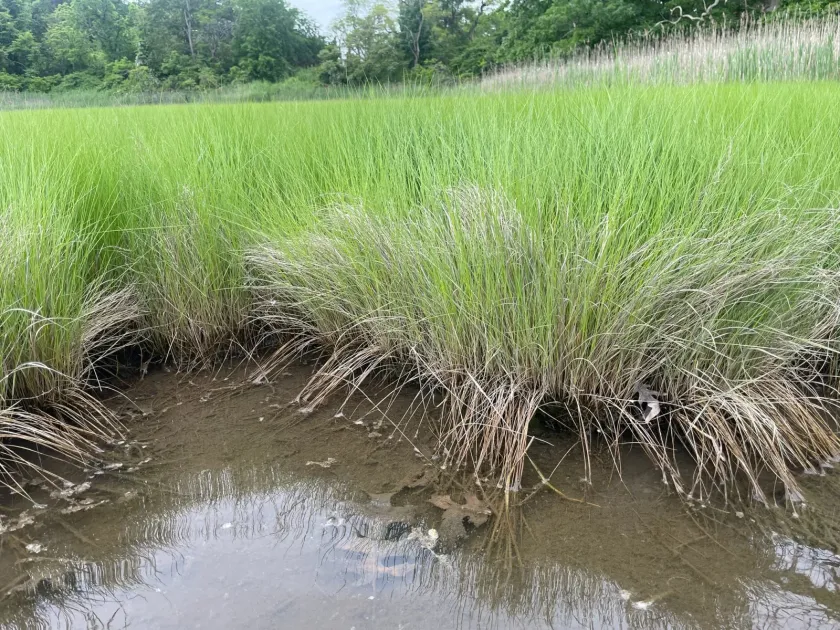
Description
Growing requirements
Saltmeadow cordgrass (Spartina patens) is a perennial grass species belonging to the Poaceae family. It is native to the salt marshes of the Atlantic coast, where it plays a critical role in the coastal ecosystem.
The plant is biologically characterized by its dense rhizomatous root system, which helps bind coastal sediments together. Its slender stems and leaves are highly adapted to withstand saline water immersion and harsh environmental conditions.
In terms of climatic and soil requirements, this plant is an obligate halophyte. It thrives in saline and brackish environments that would be lethal to most conventional agricultural crops.
It prefers well-lit environments and is highly tolerant of varying soil textures, including sand, silt, and clay. The plant can also withstand periods of both drought and temporary flooding typical of its native habitat.
Economically, it is increasingly cultivated for bioenergy production, coastal erosion control, and as a specialized livestock bedding material, given its ability to grow in nutrient-poor saline areas.
Main diseases and pests
The main threats to Saltmeadow cordgrass cultivation include fungal pathogens that proliferate in stagnant water conditions where drainage is insufficient.
Insect pests, including leaf-mining larvae and aphids, can cause significant damage to the plant's photosynthetic apparatus, leading to reduced overall biomass yield.
Rust fungi are commonly observed in crowded stands, which can weaken the vigor of the grass during the peak of the growing season.
Environmental stress, such as extreme changes in salinity levels, can also make the plants more susceptible to secondary infections by various bacterial agents.
Successful management strategies focus on maintaining optimal hydrological regimes and choosing sites with natural drainage to prevent the buildup of infectious agents.