
Spanish juniper
Juniperus thurifera L.
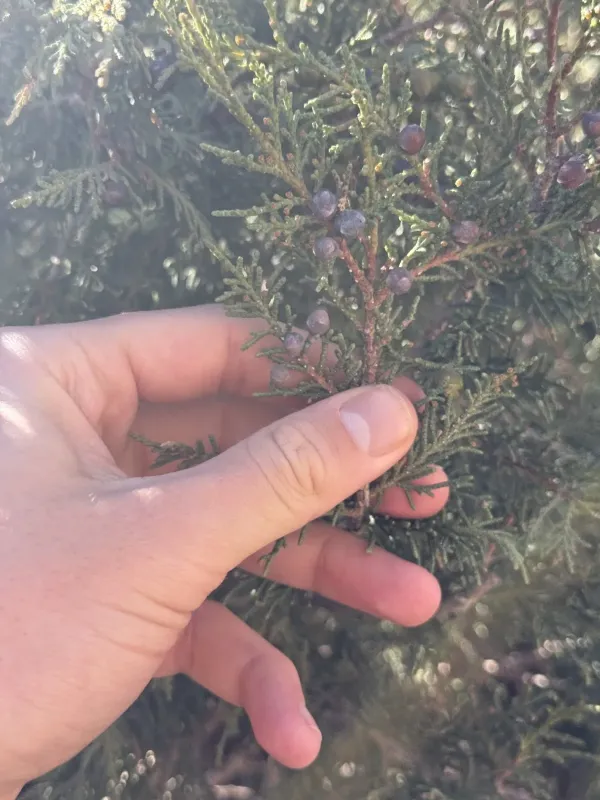
Description
Growing requirements
The Spanish juniper (Juniperus thurifera L.) is a long-lived evergreen tree belonging to the Cupressaceae family. It is native to the high-altitude mountain ranges of the Mediterranean, thriving in harsh continental climates.
This species is highly adapted to nutrient-poor soils, particularly those derived from limestone. Its ability to extract moisture and nutrients from thin, rocky substrates makes it an excellent candidate for restoration ecology in arid regions.
Climatic requirements involve exposure to full sun and a high tolerance for temperature extremes. While it handles frost and snow well, it requires significant solar radiation to maintain the density of its foliage and its characteristic growth habit.
Cultivation practices demand excellent soil aeration. Waterlogging is the primary cause of plant failure, so site selection should prioritize well-draining slopes or prepared beds with mineral-rich soil components.
Economic and ecological utility includes the production of incense-scented wood, highly valued for its durability and natural resistance to decay, as well as its vital role in preventing soil erosion on exposed mountainsides.
Main diseases and pests
Pathogenic threats are primarily linked to fungal infections, such as Gymnosporangium rust, which often occur in areas with poor air circulation or chronic humidity, leading to branch dieback.
Insect pests including juniper aphids and various species of scale insects pose significant risks to tree vitality. Preventive monitoring is essential, especially during dry periods when the tree is physiologically stressed.