
Metrosideros diffusa
Metrosideros diffusa (G. Forst.) Sm
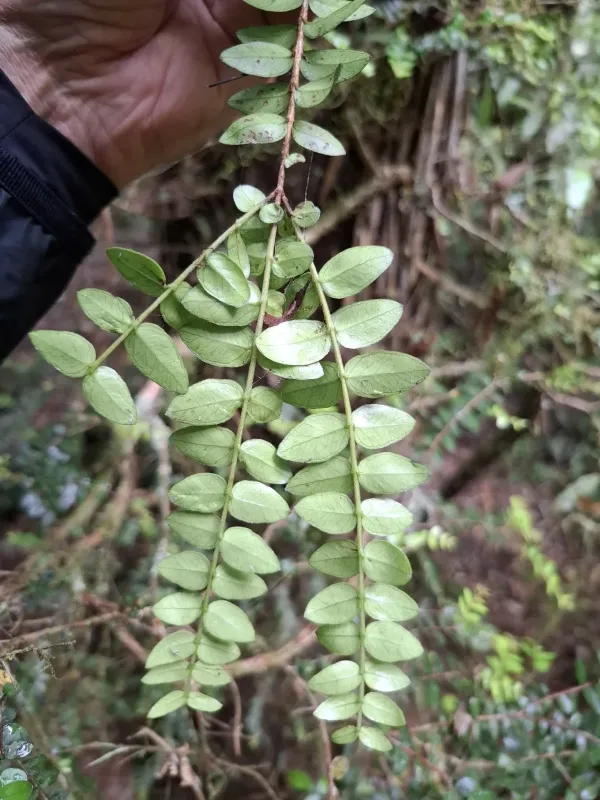
Description
Growing requirements
Metrosideros diffusa is an evergreen woody vine belonging to the Myrtaceae family. Native to the lush forests of New Zealand, this species is well-adapted to climbing and scrambling over surfaces, making it an excellent candidate for ornamental cultivation in temperate climates.
The plant requires a stable and mild environment, typically thriving in greenhouse conditions or temperate gardens where frost is absent. It is highly sensitive to cold, which necessitates careful monitoring of local temperatures during the transition from autumn to winter months.
Optimal soil conditions involve a well-draining, slightly acidic medium rich in organic matter. Ensuring that the roots are not constantly waterlogged is critical, as the species is prone to root rot if the substrate becomes too compacted or lacks adequate drainage layers.
Regarding light, Metrosideros diffusa prefers bright, indirect sunlight. Intense, direct exposure can cause foliage dehydration and scorching. Additionally, maintaining high atmospheric humidity is essential for the healthy development of its delicate leaves and overall vigor.
Maintenance techniques include regular pruning to keep the vine within desired bounds and promote bushier growth. Fertilization should be focused during the active growing season using a balanced fertilizer, while irrigation must be consistent to prevent the root ball from drying out completely.
Main diseases and pests
Common health issues include fungal diseases, such as leaf spots and powdery mildew, which are often exacerbated by poor air circulation and high humidity without sufficient ventilation. Sanitation of the growing area is vital to minimize these risks.
Key pests include spider mites, particularly in dry indoor environments, as well as mealybugs and scale insects. Management strategies involve regular plant inspection, physical removal of pests, and the application of horticultural oils or appropriate systemic insecticides.