
Metrosideros parkinsonii
Metrosideros parkinsonii
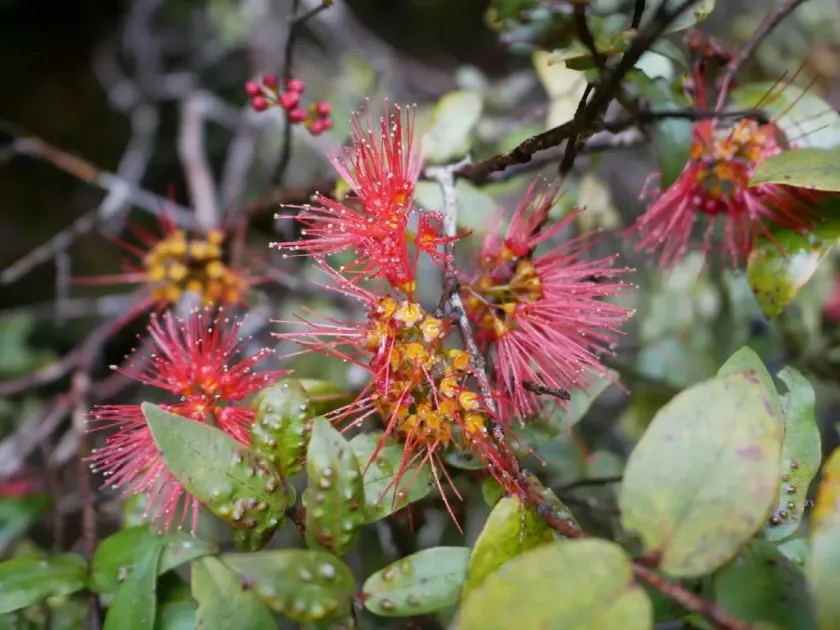
Description
Growing requirements
Metrosideros parkinsonii is a distinct species of evergreen plant belonging to the Myrtaceae family. Known for its unique foliage and striking appearance, this plant typically takes the form of a dense shrub or a small tree, often valued by botanists and collectors for its endemic New Zealand roots.
The native range of this plant is primarily restricted to the South Island of New Zealand. It thrives in high-rainfall, cool-temperate rainforest environments, often found growing on rocky outcrops or within sheltered forest margins where humidity levels remain consistently high throughout the year.
For successful cultivation, the soil must be well-drained and slightly acidic. It is essential to replicate a forest-floor-like substrate, incorporating organic matter such as pine bark or peat, which ensures that roots can access both moisture and oxygen without becoming waterlogged.
Climatic requirements are specific: the plant prefers cool to moderate temperatures and high atmospheric humidity. Unlike other tropical varieties, it dislikes extreme heat and requires a sheltered location with partial shade to prevent excessive transpiration and foliage desiccation.
Agrotechnical maintenance focuses on consistent irrigation, ensuring the substrate remains damp but never soggy. During the growing season, moderate feeding with a balanced liquid fertilizer is beneficial, while winter care requires protection from frost and cold winds if grown outside its native hardiness zone.
Main diseases and pests
The primary threats to Metrosideros parkinsonii include fungal pathogens such as root rot, often triggered by poor drainage or compacted soil. Maintaining a strict sanitation schedule, including the removal of dead leaves and ensuring adequate airflow, is crucial for preventing infection.
Pest issues often involve sap-sucking insects like mealybugs and aphids, which tend to congregate on the undersides of leaves. Regular monitoring and the application of horticultural oils or systemic insecticides are recommended to maintain plant vigor and prevent the spread of infestations.