
White-flowered metrosideros
Metrosideros albiflora
Description
Growing requirements
The white-flowered metrosideros (Metrosideros albiflora) is a unique evergreen species belonging to the Myrtaceae family. Native to the North Island of New Zealand, this plant typically manifests as a woody climber or a sprawling shrub, well-adapted to humid forest habitats.
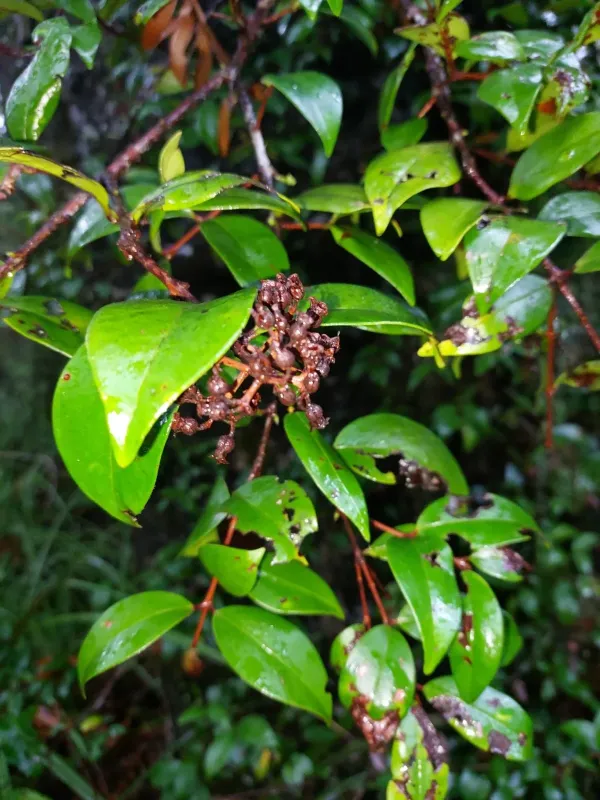
Botanically, it is distinguished by its leathery, glossy leaves and delicate white inflorescences that bloom during the warmer seasons. In its natural environment, the plant utilizes other trees as support, demonstrating a climbing growth habit that requires structural management in cultivation.
Successful cultivation requires a well-draining, nutrient-rich substrate with a slightly acidic to neutral pH level. As an ornamental crop, it thrives in environments that mimic its natural niche, requiring consistent moisture without being waterlogged, which can lead to root degradation.
Regarding climate, this species prefers temperate to subtropical conditions with protection from harsh, drying winds. While it can tolerate mild frost, it is best suited for sheltered outdoor locations or conservatory environments where temperatures remain relatively stable throughout the year.
The primary utility of Metrosideros albiflora lies in horticultural landscaping. It is highly valued for its aesthetic appeal in coastal gardens and as a feature plant for vertical wall coverings, providing both greenery and seasonal blooms that attract local pollinators.
Main diseases and pests
The most common agricultural threats to this crop involve root rot and other fungal pathogens triggered by poor drainage. Ensuring that the planting site has excellent soil permeability is the most effective preventative measure against these silent plant killers.
Insect pests such as scale insects and mealybugs are frequently observed on this species. These pests can cause chlorosis or stunted growth, and they should be managed using systemic insecticides or horticultural oils applied during the early stages of infestation to maintain plant vigor.