
Metrosideros carminea
Metrosideros carminea
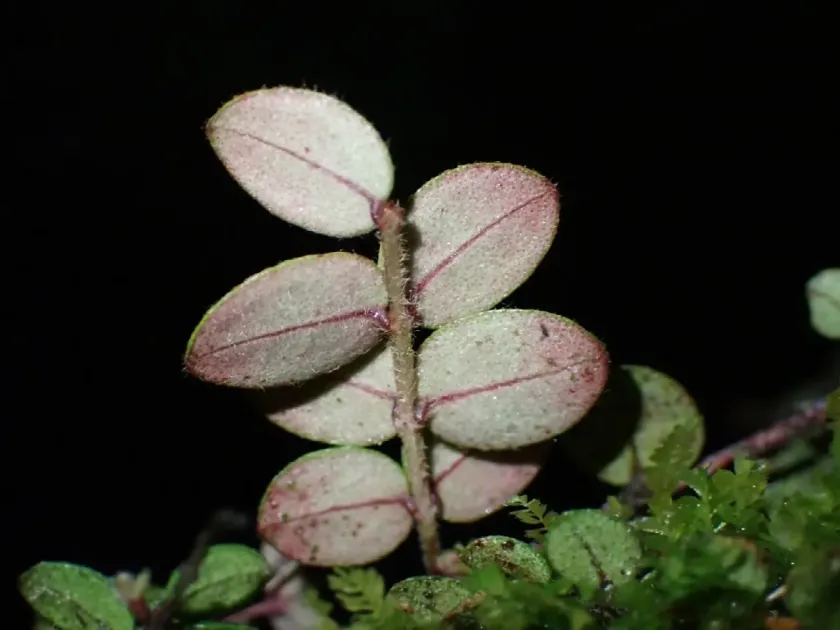
Description
Growing requirements
Metrosideros carminea is an exquisite evergreen climber from the Myrtaceae family, native to the lush forests of New Zealand. It is highly valued for its intense carmine-red flowers that appear in dense clusters.
This species thrives in bright, indirect light. While it prefers warm environments, it can tolerate occasional temperature drops but must be protected from frost to maintain its vitality and continuous growth.
The ideal substrate for this plant should be acidic to neutral, well-draining, and rich in organic matter. A mixture of peat, bark, and perlite works best to prevent waterlogging and ensure sufficient aeration.
Watering requirements are strict: the plant needs consistent moisture, but the top layer of soil must dry out slightly between waterings. During winter dormancy, watering should be reduced significantly to avoid fungal issues.
Regular fertilization is essential during the active growing season. Use a balanced, water-soluble fertilizer formulated for flowering houseplants every four weeks to support flower bud formation.
Main diseases and pests
Metrosideros carminea is susceptible to common houseplant pests, primarily mealybugs and scale insects, which hide in the leaf axils and along the stems of the vine.
Spider mites are a significant threat in environments where the air is dry and temperatures remain high, often leading to discoloration and premature leaf drop.
Root rot is the most common cause of plant failure, usually resulting from over-watering or the use of heavy, non-porous potting media that prevents the roots from breathing.
Fungal leaf spot diseases can develop if the foliage remains wet for extended periods, especially in poorly ventilated greenhouses or rooms.
Effective pest and disease management includes isolating affected plants, physically removing visible pests, and applying horticultural oils or appropriate chemical treatments when necessary.