

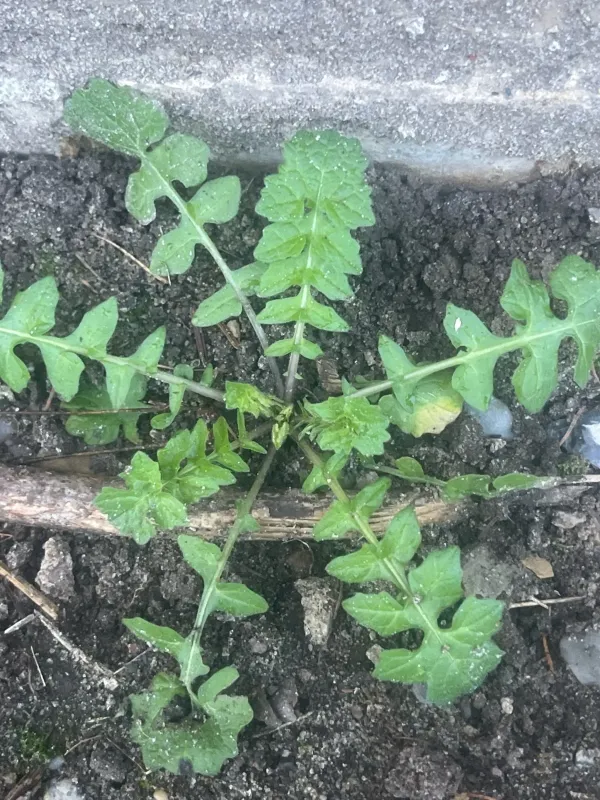
Description
Sowing dates
Hedge mustard (Sisymbrium officinale) is an annual plant that can propagate efficiently via self-seeding. In nature, seeds are typically dispersed in late autumn, allowing for a natural period of dormancy and stratification over the winter months.
For agricultural cultivation, seeds should be sown in early spring as soon as the soil reaches a workable temperature. They should be shallowly planted at a depth of 1–2 centimeters to ensure proper germination.
The seeding rate varies depending on the intended use; denser planting is preferred for biomass production, while wider spacing is better for seed harvesting or medicinal quality.
Consistent soil moisture is crucial during the germination phase to support the small seeds. Once established, the seedlings exhibit vigorous growth and can adapt to competitive conditions.
By scheduling sowing intervals, growers can manage the harvest cycle, ensuring a continuous supply of fresh material throughout the growing season.
Growing requirements
Belonging to the Brassicaceae family, hedge mustard is a resilient plant capable of thriving in various environmental conditions. It performs best in temperate climates with access to full or partial sunlight.
The plant is not strictly demanding regarding soil type, but it favors well-drained, fertile loams with a neutral pH level. It does not tolerate heavy, waterlogged clay soils which can inhibit root development.
Water availability is essential for maintaining optimal quality, especially during the vegetative growth phase. However, the plant is relatively drought-tolerant once mature.
Temperature range flexibility allows hedge mustard to adapt to both early spring and late summer cultivation, provided that extreme heat and drought are mitigated with appropriate irrigation.
In terms of soil nutrition, moderate applications of organic fertilizers or compost help boost plant vigor and the accumulation of beneficial phytochemicals.
Main diseases and pests
As a member of the mustard family, the plant is susceptible to common cruciferous pests such as flea beetles. These insects can quickly cause significant damage to the leaf tissue during the seedling stage.
Aphids are another significant threat, often colonizing the flowering spikes and succulent stems. Infestations can lead to stunted growth and reduced yields if left unmanaged.
Fungal diseases, such as downy mildew and various types of rust, may occur in conditions of high humidity and poor air circulation. Proper spacing between rows is critical to reduce disease prevalence.
Clubroot can be a concern if the crop is planted repeatedly on the same site. Adopting a strict crop rotation schedule is the most effective way to prevent soil-borne pathogen buildup.
Integrated pest management, including the use of neem-based oils or beneficial insects, is recommended to manage populations without relying solely on synthetic pesticides.
Harvesting
The harvesting of hedge mustard for medicinal or culinary purposes is optimally timed during the full flowering stage. This is when the concentration of sulfur-containing glycosides is at its peak.
The aerial parts of the plant are cut about 20–30 centimeters above the ground. It is important to harvest during dry, sunny weather to ensure the quality of the post-harvest processing.
Drying should be carried out in a cool, dark, and well-ventilated area to preserve the volatile components of the plant. High temperatures must be avoided to prevent degradation of the active ingredients.
Once fully dried, the material should be sorted to remove any debris or discolored parts, then stored in moisture-proof containers to maintain its potency and aroma.
Hedge mustard is widely recognized for its expectorant properties, making it a valuable resource for herbal medicine, while its peppery flavor makes it a unique addition to gourmet dishes.
Reference
Connections · Hedge mustard
Most often together:
Marketplace
Products · 11


Hepi Star, WG (tribenuron-methyl, 750 g/kg)
Fabrika Agrokhimikatov
Herbicides
0
0
1 offer
25.1 €за кг
Buy

TRU, WG, (Tribenuron-methyl, 750 g/kg)
Sharda Worldwide Exports Pvt Ltd, Sharda World
Herbicides
0
0
1 offer
75.76 €за кг
Buy
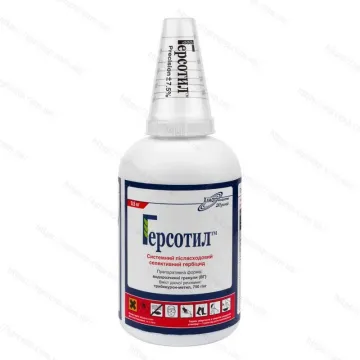

Gerositol w.r.g., (tribenuron-methyl, 750 g/kg)
Sunrise Agrochemical Co., Ltd.
Herbicides
0
0
2 offers
22.19 €за кг
Buy


