
Sisymbrium volgense
Sisymbrium volgense M. Bieb. ex E. Fourn.
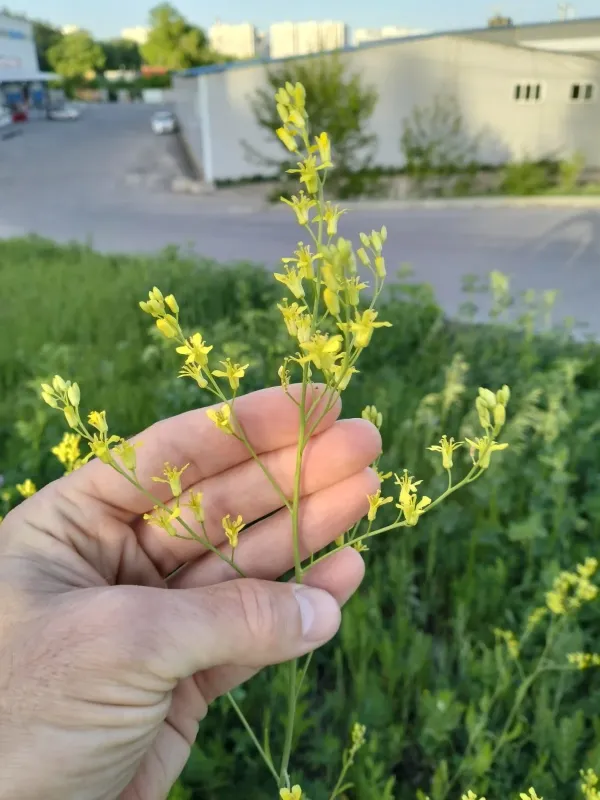
Description
Growing requirements
Sisymbrium volgense, commonly known as the Volga mustard, is a perennial herbaceous plant belonging to the Brassicaceae family. It is recognized for its robust growth habit and adaptability to various environmental conditions.
The plant thrives in well-lit areas, requiring full sun for optimal biomass development. It is notably drought-tolerant and can survive in diverse soil types, ranging from sandy loams to heavier clay-based soils, provided they have adequate drainage.
Regarding climate, this species is highly winter-hardy, capable of withstanding the harsh continental winters found in its native range. It performs best in soils with a neutral or slightly alkaline pH, which facilitates efficient nutrient uptake.
Agronomically, it is valued for its deep root system, which helps stabilize soil and improves soil structure over time. Its high ecological plasticity makes it a suitable candidate for marginal land management and biodiversity initiatives.
Agricultural use often focuses on its properties as a source of phytochemicals or as a supporting species for honeybees. Further research into its biochemical profile continues to uncover potential industrial and medicinal applications.
Main diseases and pests
Like many Brassicaceae members, this species is susceptible to cruciferous flea beetles, which can cause significant foliar damage during the early growth stages of the plant.
Fungal diseases, specifically downy mildew and alternaria leaf spot, represent the most common pathological threats, particularly under conditions of high humidity or poor field aeration.
Insects such as the pollen beetle (Brassicogethes aeneus) can adversely affect reproduction by feeding on flower buds, thus reducing seed yields in commercial or wild populations.
Effective management includes integrated pest control strategies, such as crop rotation and the strategic use of biological control agents to mitigate population surges of common cruciferous pests.
Maintaining proper plant spacing is essential to reduce the risk of disease spread, as overcrowding creates a microclimate conducive to fungal pathogen proliferation.