
Salvia sinaloensis
Salvia sinaloensis Fernald
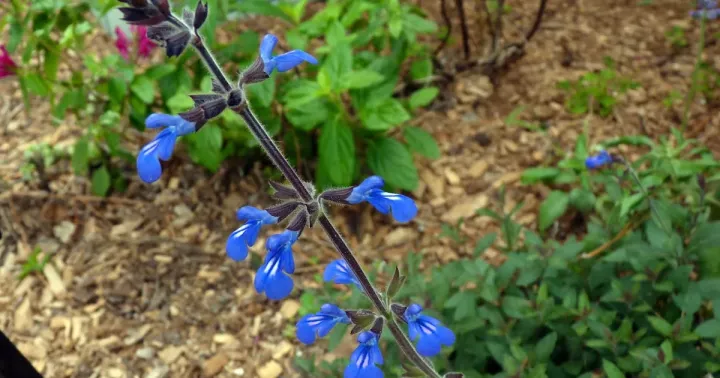
Description
Sowing dates
Salvia sinaloensis belongs to the Lamiaceae family. This perennial herb is native to the Sinaloa region of Mexico, where it thrives in warm, subtropical environmental conditions.
Propagation is primarily done via seeds, which should be sown in late winter or early spring in a greenhouse. Seeds require warm temperatures around 20-22 degrees Celsius and a moist, light medium to germinate successfully.
Seedlings are slow-growing and require a gentle hand when transplanting. It is best to raise them in pots until they are robust enough to withstand the conditions of the open garden.
Transplanting into the garden should only take place after the last spring frost. Choose a location where the soil is warm, as the plant is sensitive to low ground temperatures early in the season.
Spacing is essential for the health of Salvia sinaloensis. Placing plants 30-40 centimeters apart ensures adequate airflow, which is critical for reducing humidity buildup around the foliage.
Growing requirements
The plant requires full sun to partial shade to perform its best. In warmer climates, some afternoon shade is beneficial to prevent the leaves from scorching during the peak heat of summer.
Soil quality must be high, emphasizing excellent drainage. While it enjoys consistent moisture, it does not tolerate "wet feet." Amending heavy soils with sand or gravel is a common practice.
Watering should be consistent but moderate. During the peak of the growing season, plants may need water two to three times a week, depending on the local evaporation rate and soil moisture retention.
A balanced fertilizer applied during the growing season supports the deep blue-violet blossoms and dark green leaves. Over-fertilization should be avoided, as it can lead to leggy, weak growth.
Hardiness is a major consideration for this species. In temperate climates, it is often treated as an annual or overwintered in containers in a frost-free, cool place during the winter months.
Main diseases and pests
Powdery mildew is a common fungal threat when air circulation is poor or humidity is too high. Pruning to improve airflow and applying appropriate fungicides can manage and prevent this issue.
Pests such as aphids and spider mites can infest the plant, particularly in sheltered or warm spots. Regular inspections and early intervention with insecticidal soap are recommended for control.
Root rot is the most dangerous condition for Salvia sinaloensis, usually caused by overwatering or compacted soil. Once the roots are compromised, recovery is difficult, making prevention the best approach.
Slugs and snails may target the tender leaves, especially during the wetter parts of the spring. Utilizing copper tape or organic slug pellets can help mitigate damage to the foliage.
In cases of poor growth, one should check the soil pH and nutrient levels. A lack of iron or magnesium can cause chlorosis, which is easily corrected with specific mineral supplements.