
Shore juniper
Juniperus conferta Parl.
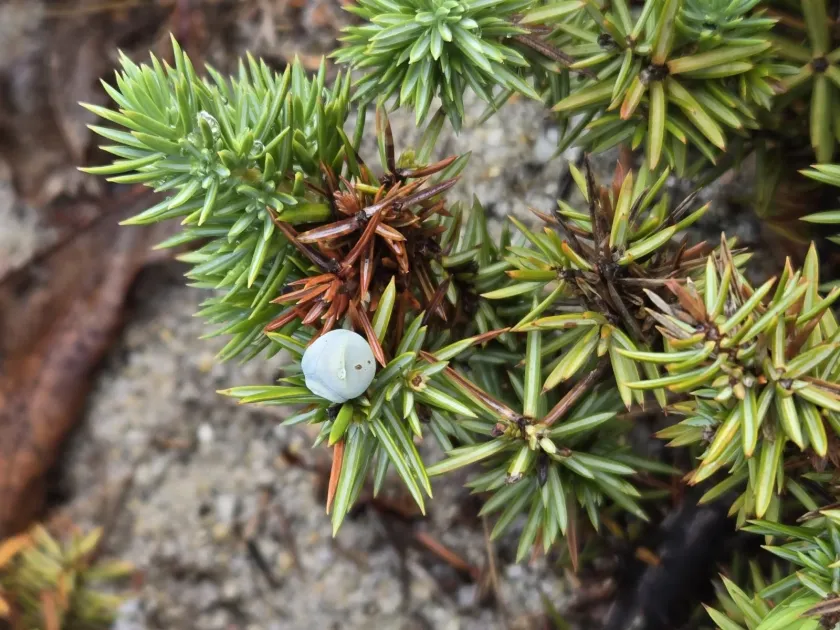
Description
Growing requirements
Shore juniper (Juniperus conferta) belongs to the Cupressaceae family and is known for its prostrate, spreading growth habit. Its native range includes the sandy coastal dunes of Japan and Sakhalin, which has adapted it to thrive in rugged, maritime environments.
This species requires full sun exposure to maintain its characteristic dense foliage and vibrant color. It performs best in well-drained, sandy, or rocky soils that provide excellent aeration and prevent moisture from pooling around the root zone.
The plant is highly valued for its salt tolerance and ability to endure strong coastal winds. While it is generally winter-hardy, younger plants should be protected during their first few years in colder climates to prevent needle desiccation and winter burn.
Agricultural management for this species is minimal once established, requiring only occasional watering during prolonged droughts. Fertilizer applications should be applied sparingly, ideally using slow-release formulas designed specifically for evergreen conifers in the spring.
Economically, this plant is primarily utilized in landscaping as a robust ground cover for erosion control on slopes and dunes. Its long, trailing branches root as they spread, effectively stabilizing the topsoil and preventing sediment runoff in difficult terrain.
Main diseases and pests
Common issues affecting shore juniper include root rot and fungal blights, often triggered by poor soil drainage or excessive irrigation. Ensuring a planting site with natural drainage is the most effective preventative measure against these systemic pathogens.
Pests such as spider mites, aphids, and scale insects can occasionally infest the foliage, particularly in hot and dry climates. Integrated pest management, including regular inspection and the use of horticultural oils or insecticides, is recommended for healthy growth.