
Shining fan-flower
Scaevola nitida R. Br.
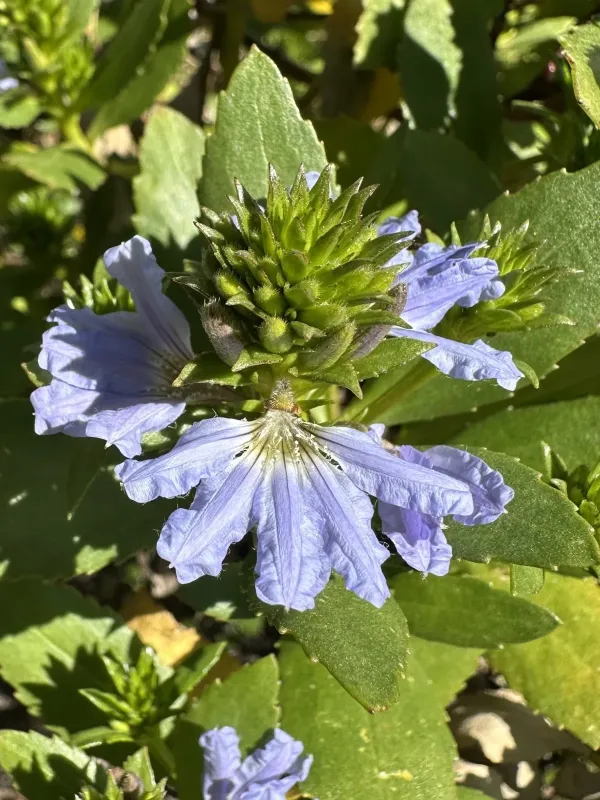
Description
Growing requirements
The shining fan-flower (Scaevola nitida) is a perennial evergreen shrub belonging to the Goodeniaceae family. Native to Australia, this plant has adapted to coastal conditions, making it tolerant of saline environments and sandy substrates.
Botanically, this species is defined by its lustrous, shiny foliage, which gives the plant its common name. The branches are woody at the base, and the plant structure is typically bushy, making it suitable for landscaping and ornamental containers.
This crop requires full sun exposure to flourish. While it can tolerate partial shade, insufficient light will negatively impact its growth density and significantly reduce the profusion of its characteristic fan-shaped flowers.
The soil requirements are strict regarding drainage. Scaevola nitida thrives in well-aerated, sandy, or loam soils. Waterlogging is the most common cause of failure in cultivation, as the roots are sensitive to anaerobic conditions.
Regarding climate, the plant is not frost-hardy. It prefers warm, subtropical temperatures and must be protected from cold snaps. In cooler regions, it is typically cultivated in pots to allow for indoor overwintering.
Main diseases and pests
Pests that frequently target this species include aphids, spider mites, and occasionally whiteflies. These pests exploit the plant's soft growth and can cause significant damage if infestations are left unchecked.
Root rot is the primary disease threat for this species. This is usually triggered by poor drainage or excessive irrigation, which encourages fungal pathogens such as Phytophthora to attack the root system.
Effective management involves maintaining a clean growing environment and monitoring moisture levels. Proper spacing between plants is essential to ensure adequate air circulation, which helps prevent fungal outbreaks.
In case of pest outbreak, horticultural soaps or systemic insecticides should be applied according to the manufacturer's guidelines. Early detection remains the most critical factor in successful control.
Nutritional management also plays a role in plant health; balanced fertilization helps the plant maintain vigor, making it naturally more resistant to minor environmental stresses and subsequent secondary infections.