
Scaevola albida
Scaevola albida (Sm.) Druce
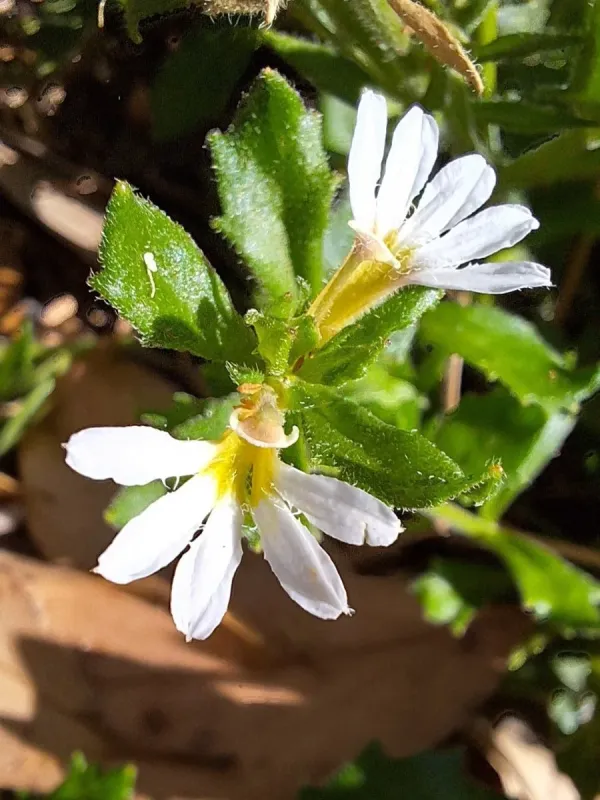
Description
Sowing dates
Scaevola albida, commonly known as fan-flower, belongs to the Goodeniaceae family. It is a perennial plant often grown as an annual in cooler climates due to its sensitivity to frost.
Propagation is primarily done via seeds or cuttings. Seeds should be sown in early spring in well-draining seed-starting mix, ensuring they are only lightly covered as they require light to germinate.
Maintenance of a steady soil temperature of about 20–22 °C is critical for successful germination. Use heat mats if necessary to ensure uniform sprouting across the tray.
Once seedlings have developed two sets of true leaves, they should be pricked out into individual pots. This practice promotes a robust root system and prevents competition for nutrients.
Hardening off the seedlings is essential before transplanting them outdoors. This process should take place over 7–10 days, gradually exposing the plants to outside air and temperatures.
Growing requirements
This species thrives in full sun, which is necessary for the production of its characteristic fan-shaped blooms. It performs exceptionally well in hanging baskets and containers.
The ideal growing medium should be light, porous, and slightly acidic. A mixture of potting soil with added perlite or coco coir is highly recommended for optimal aeration.
Watering must be consistent to keep the soil evenly moist but never waterlogged. Scaevola shows decent heat tolerance, provided that it is not subjected to prolonged moisture stress.
Nutrient requirements are moderate. A balanced liquid fertilizer applied monthly during the growing season supports continuous flowering without promoting excessive vegetative growth.
Deadheading or regular trimming is not strictly necessary for health but is recommended to maintain the plant's aesthetic shape and encourage further blooming cycles.
Main diseases and pests
Common plant diseases affecting Scaevola albida include root rot and botrytis, which are almost exclusively caused by improper irrigation practices and poor air circulation.
Pest issues are usually limited to sap-sucking insects like aphids, thrips, and spider mites, especially in glasshouse or indoor environments with low humidity.
Integrated pest management is preferred. Start by isolating affected plants and manually removing visible pests, then apply horticultural oils or soap sprays if infestation persists.
Monitoring for signs of chlorosis can also indicate nutrient deficiencies or high soil pH, which often precedes secondary infections by opportunistic pathogens.
Keeping the foliage dry during irrigation and ensuring proper spacing between plants helps significantly in reducing the risk of fungal outbreaks throughout the season.