
Scaevola humilis
Scaevola humilis R. Br.
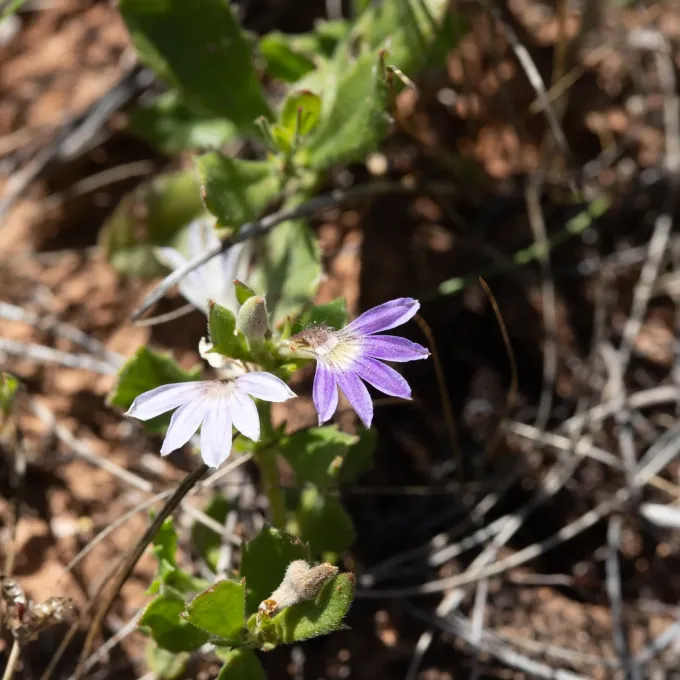
Description
Sowing dates
Propagation of Scaevola humilis is most effectively achieved through stem cuttings, which ensures the consistency of the parent plant's traits. The ideal time for taking cuttings is late winter or early spring, providing ample time for the plants to establish before the peak growing season.
Seed propagation is less common due to lower germination rates and the requirement for precise temperature control. Sowing should take place in a well-aerated substrate while maintaining high ambient humidity until emergence.
When transplanting into the open ground or containers, it is essential to wait until the soil has warmed up sufficiently and all risk of frost has passed. For a fuller aesthetic, planting several specimens per container is recommended.
Young transplants require a gradual hardening-off process before being moved to their final outdoor location. Regular pinching of the growing tips promotes branching and creates a denser, more compact foliage structure.
Spacing in garden beds should be maintained at 30-40 centimeters, allowing the plant’s trailing stems to sprawl naturally without overcrowding or competing for nutrients.
##requirements##Scaevola humilis, a member of the Goodeniaceae family, is native to Australia, which dictates its preference for abundant sunlight. While it can tolerate partial shade, maximum flowering performance is achieved in full sun exposure.
The plant thrives in light, well-draining soil with a slightly acidic to neutral pH. Proper drainage is paramount, as waterlogging can cause rapid root rot and quickly compromise the plant's structural integrity.
Regarding climate, the plant is heat-tolerant but possesses low frost tolerance. In cooler climates, it is typically treated as an annual or overwintered indoors to protect it from freezing temperatures.
Consistent watering is required during the peak bloom period, although care must be taken not to overwater. The succulent-like stems lose turgor quickly under drought stress, necessitating a balanced approach to irrigation.
Fertilization with a balanced, bloom-promoting formula is recommended throughout the growing season. Excess nitrogen should be avoided to prevent excessive vegetative growth that may suppress overall flower production.
##threats##Root rot is the most significant threat to the plant, primarily caused by excessive moisture and poor soil aeration. These conditions often encourage fungal pathogens that can damage the root system beyond repair.
Pests such as aphids and spider mites are common concerns, particularly during dry and hot weather. Monitoring the undersides of leaves is essential for early detection and the timely application of systemic or contact insecticides.
Whiteflies may also infest the foliage, leading to vigor loss and the presence of honeydew. Implementing consistent maintenance routines helps identify and isolate infestations before they spread to healthy specimens.
Powdery mildew can occasionally occur if there is poor air circulation or fluctuating humidity levels. Ensuring proper plant spacing is a critical preventative measure for managing fungal outbreaks in denser plantings.
Regular sanitation, including the removal of spent blooms and necrotic tissue, is vital for the plant's health. Proactive maintenance reduces the presence of potential disease vectors and encourages continuous, vibrant flowering throughout the season.