
Fairy fan-flower
Scaevola aemula R. Br.
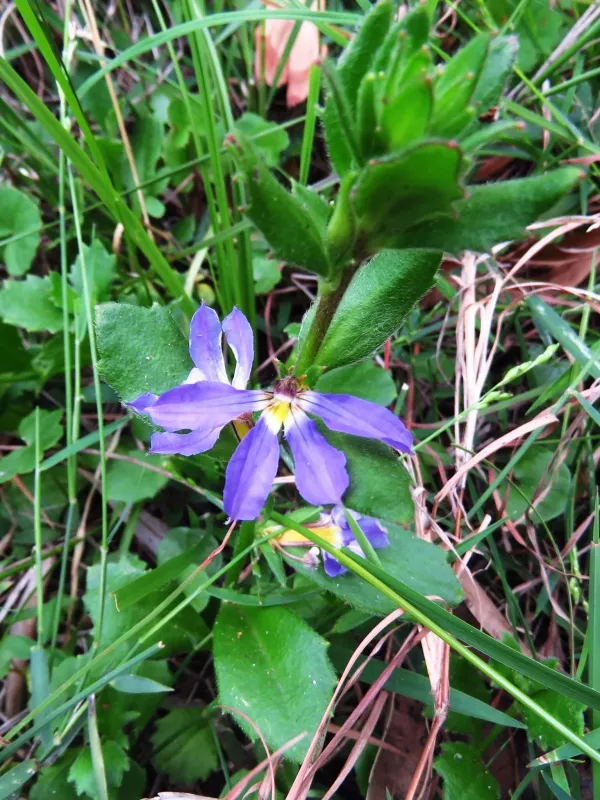
Description
Sowing dates
Propagation of Scaevola aemula can be achieved through seeds or stem cuttings. Seed sowing is typically performed in late winter in climate-controlled greenhouse environments to ensure sufficient development before the outdoor season.
The optimal germination temperature ranges between 20°C and 22°C. Seeds should be sown in a well-draining, sterile growing medium and kept consistently moist until emergence, which usually takes two to three weeks.
Cuttings are the industry standard for propagating specific cultivars to ensure uniformity. Softwood cuttings are taken from healthy mother plants and rooted in a mix of peat and perlite under mist or high-humidity conditions.
After successful rooting, transplants are moved to individual pots. Proper spacing is essential to encourage branching and to maintain the characteristic trailing habit of the species.
Hardening off the plants is a critical step before moving them to permanent locations, whether in landscapes or commercial containers, to prevent transplant shock from changing light and temperature levels.
Growing requirements
Scaevola aemula, belonging to the Goodeniaceae family, is a native Australian species highly valued in horticulture for its unique fan-shaped flowers and trailing growth pattern.
This plant thrives in full sun exposure. In high-heat regions, partial shade during the peak afternoon hours is beneficial to prevent leaf scorch and preserve the longevity of the blooms.
The soil requirements prioritize excellent drainage. Using a substrate with high organic matter content that retains moisture without becoming waterlogged is essential for healthy root development.
Consistent irrigation is required throughout the growing season. While the plant is moderately drought-tolerant once established, continuous flowering requires regular water supply and balanced liquid fertilization.
Soil pH levels should be maintained in the slightly acidic to neutral range. Supplemental feeding with phosphorus-heavy fertilizers is recommended to sustain the dense bloom production that defines the aesthetic appeal of the crop.
Main diseases and pests
Common pests include aphids and spider mites, which can cause significant damage to the plant's succulent foliage if left unchecked. Frequent scouting is necessary for early detection and control.
Root rot is the most common pathology, usually resulting from overwatering or inadequate soil drainage. Maintaining optimal oxygen levels in the root zone is the primary prevention method against fungal infections.
Powdery mildew may occur in poorly ventilated greenhouse environments or during humid weather. Increasing airflow around the plants and avoiding overhead irrigation can significantly reduce the risk of this disease.
Pest management should involve the use of integrated pest management (IPM) practices. When chemical intervention is required, systemic insecticides are generally effective against sap-sucking pests.
- Monitor for yellowing leaves as an early sign of stress or nutrient deficiency.
- Ensure adequate spacing between containers to improve air circulation.
- Remove dead or damaged plant tissue promptly to prevent disease spread.