
Common sorrel
Rumex acetosa L.
Description
Sowing dates
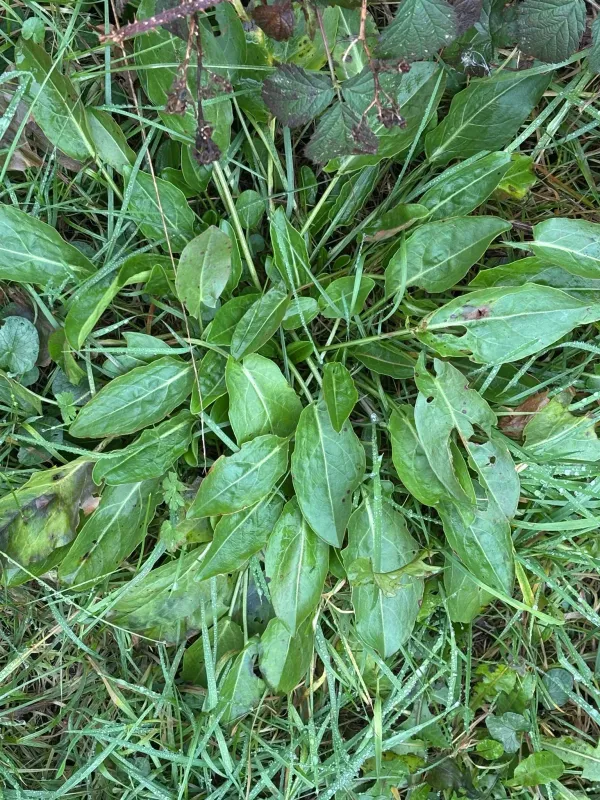
Common sorrel (Rumex acetosa L.) is a perennial herbaceous plant belonging to the Polygonaceae family. It is highly valued as a spring crop, providing fresh greens early in the season.
Seeds can be sown in early spring as soon as the soil can be worked. Late summer or late autumn sowings are also common to establish the crop for an early harvest in the following year.
Planting depth should be about 1.5–2 cm. Seeds are typically sown in rows spaced 20–25 cm apart, which allows enough room for maintenance and weeding during the growing season.
Germination usually occurs within 10 to 14 days under favorable conditions. It is crucial to keep the soil consistently moist during the germination period to ensure uniform stand establishment.
Once seedlings emerge, they should be thinned to a spacing of 5–10 cm apart. Proper spacing is essential to reduce competition and ensure that each plant has enough nutrients for robust growth.
Growing requirements
This crop thrives in moist, fertile, and well-drained soils. Loamy or sandy-loam soils with an acidic to neutral pH (5.0–6.5) are ideal for optimal nutrient uptake and root development.
Common sorrel is known for its cold hardiness. It is one of the first plants to emerge in spring, capable of withstanding light frosts, which makes it an excellent choice for early market production.
While the plant performs best in full sun, it is quite tolerant of partial shade. However, adequate sunlight is necessary for the development of healthy, flavorful leaves and higher vitamin content.
Regular watering is essential, especially during dry spells. If moisture levels drop too low, the plants will quickly trigger their reproductive cycle, bolt, and develop tough, bitter-tasting leaves.
Before sowing, incorporating organic matter such as compost or well-rotted manure into the soil is recommended. Nitrogen-rich fertilizers can be applied periodically to promote lush, continuous foliage production.
Yield
Yield depends significantly on the frequency of harvesting and the overall care provided. Under favorable management, one square meter can produce up to 1.5–2 kg of high-quality greens per season.
The plant is a long-lived perennial, with a plantation typically remaining productive for 4–5 years. After this period, the roots become crowded, leading to smaller leaves, which necessitates renewal.
To maximize yields, a light application of nitrogen fertilizer and sufficient irrigation should follow every harvesting session. This practice encourages the plant to rapidly initiate a new flush of growth.
Modern breeding has produced varieties that are slower to bolt. Choosing these cultivars allows growers to extend the harvest window and maintain higher overall productivity throughout the summer months.
In commercial operations, using advanced agricultural techniques such as drip irrigation and precise nutrient management can increase yields to over 20 tons per hectare.
Main diseases and pests
The main pests attacking the crop include dock beetles and sawfly larvae. These insects can cause significant damage to the foliage, skeletonizing leaves if left uncontrolled early in the season.
Common fungal diseases include downy mildew and leaf spot. These conditions often manifest when humidity is high and ventilation is poor, causing necrotic spots on the leaf blades.
Effective management begins with proper cultural practices: crop rotation, weed control, and ensuring adequate plant spacing. These steps create an environment less favorable for pest and disease outbreaks.
If chemical interventions are necessary, organic-certified biopesticides are often preferred, especially given the short harvest cycle of the plant. Always observe the safety period before picking greens.
- Maintain proper row spacing for airflow.
- Remove any infected or damaged leaves promptly.
- Use certified seeds to avoid seed-borne diseases.
- Ensure efficient drainage to prevent water stagnation.
- Clear all crop debris at the end of the season.
Harvesting
Harvesting begins when leaves reach a usable size, usually 8–10 cm in length. This is typically 40–50 days after spring sowing or 2–3 weeks after a previous cut during the active growing season.
Use a sharp knife or sickle to cut leaves 3–4 cm above the crown. This technique leaves the growing point intact, allowing the plant to generate new leaves for subsequent harvests.
It is best to harvest in the early morning while the leaves are cool and fully hydrated. This practice significantly improves the shelf life and quality of the greens when packed for market.
Continuous monitoring for flower stalks is vital. Any emerging stalks should be removed immediately to redirect the plant's energy toward leaf production rather than seed formation.
The final harvest of the season should be completed at least 30 days before the first frost. This provides the plant with sufficient time to store energy in its roots for a successful winter dormancy.