
Smooth hydrangea
Hydrangea arborescens L.
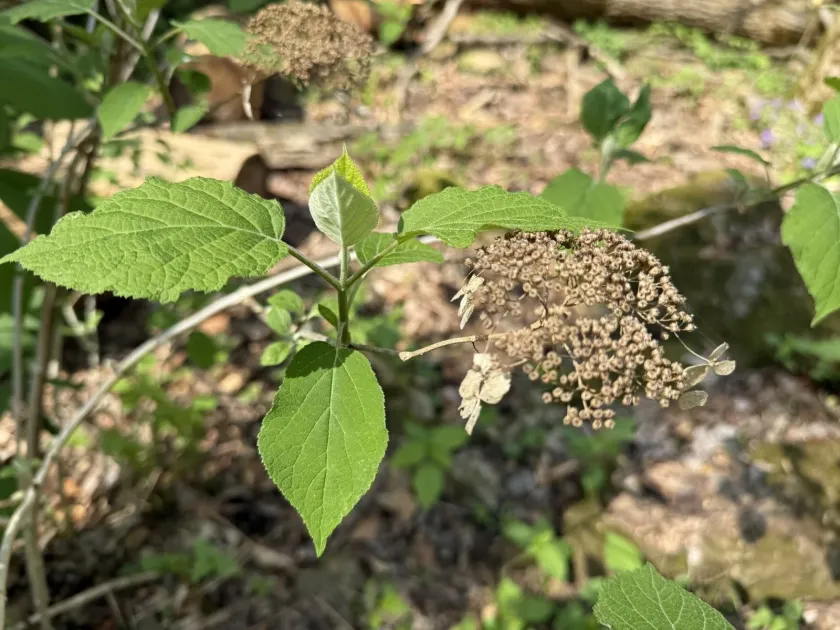
Description
Growing requirements
Smooth hydrangea (Hydrangea arborescens L.) is a deciduous shrub belonging to the Hydrangeaceae family. Native to the eastern United States, it is widely valued in horticulture for its resilience and massive, snow-white flower heads that bloom throughout the summer.
The plant grows as an upright shrub typically reaching 1 to 2 meters in height. Its broad, ovate leaves provide a lush backdrop for the inflorescences, which can reach significant diameters, creating a striking visual impact in both residential and commercial landscapes.
Optimal cultivation requires moist, well-draining soil rich in organic matter. While the species is somewhat adaptable, it performs best in soils with a slightly acidic pH, which helps maintain nutrient availability and promotes vigorous growth throughout the season.
Regarding climate conditions, smooth hydrangea prefers partial shade, especially in warmer regions. Protection from harsh afternoon sunlight is crucial to prevent dehydration and ensure the longevity of the flower clusters, which are highly sensitive to extreme heat.
The key to maintaining the plant is a consistent watering schedule combined with annual pruning. Since the species blooms on new wood, pruning in late winter or early spring encourages strong new growth and results in larger, more abundant flower displays.
Main diseases and pests
Powdery mildew is a common fungal issue that manifests as a white, dusty layer on the foliage. To minimize risk, gardeners should ensure proper spacing to allow for adequate airflow, reducing the humidity levels that favor fungal development around the plant.
Aphids and spider mites are among the most frequent pests that affect smooth hydrangea. These insects feed on the underside of leaves or tender shoot tips, often leading to stunted growth; regular inspection and horticultural soap sprays are effective control measures.
Leaf spot diseases, caused by various fungi, can occur during prolonged periods of wet weather. Affected foliage should be removed and disposed of to prevent the spread of spores, and plants can be treated with broad-spectrum fungicides if the infection persists.
Root rot, primarily caused by Phytophthora species, is a significant threat associated with poor drainage. Once established, this condition is difficult to treat, making the selection of a well-drained planting site the most critical preventative step.
Iron chlorosis is a frequent non-infectious disorder where leaves turn yellow while veins remain green. This is usually triggered by high soil pH or poor drainage, and correcting soil composition is essential to restoring the health of the affected shrub.