
Amami Oshima Hydrangea
Hydrangea amamiohsimensis (Koidz.) Y. De Smet & C. Granados
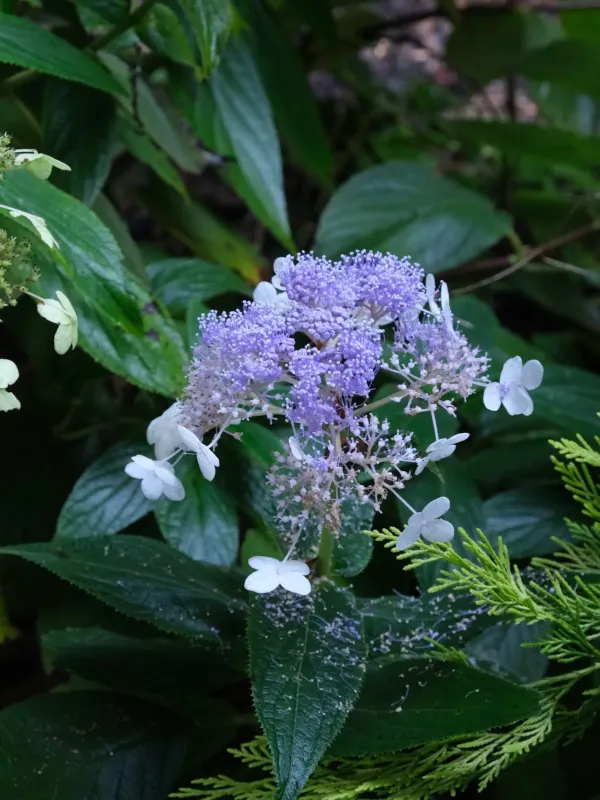
Description
Growing requirements
The Amami Oshima Hydrangea (Hydrangea amamiohsimensis) is a rare species belonging to the Hydrangeaceae family. Native to the Amami Islands in Japan, this plant has adapted to the humid, forested environments characteristic of its restricted natural range.
Cultivation requires well-draining, nutrient-rich soil with a notably acidic pH. It is essential to ensure that the planting site has excellent drainage capabilities, as the root system is highly susceptible to rot when exposed to prolonged waterlogging or poor aeration.
This species thrives in partial shade or filtered sunlight. Direct exposure to intense afternoon sun can cause significant leaf scorch and dehydration. Providing a sheltered spot, such as near larger shrubs or beneath a tree canopy, helps mimic its natural habitat.
Consistent soil moisture is vital for the plant’s vigor. A thick layer of organic mulch around the base is recommended to help retain moisture and keep the soil cool, while also contributing to the organic acidity preferred by the root zone.
Given its subtropical origins, the plant is not hardy in freezing climates. In colder regions, it must be grown in containers that can be moved into a frost-free environment, such as a greenhouse or sunroom, during the winter months to prevent cold damage.
Main diseases and pests
Fungal infections, such as grey mould (Botrytis) and powdery mildew, are the primary threats to this hydrangea. These issues often arise in environments with stagnant air and high humidity, making proper spacing and ventilation crucial for plant health.
Spider mites are common pests, particularly if the plant is grown in environments where air humidity is not sufficiently maintained. Regular inspections and misting of the foliage can help mitigate the risk of mite infestations during drier periods.
Nutrient deficiencies, particularly iron chlorosis, may occur if the soil pH drifts toward alkalinity. This condition causes the leaves to yellow while the veins remain green, necessitating adjustments to soil acidity using sulfur or chelated iron fertilizers.
Root pathogens, specifically Phytophthora species, can devastate the plant if the growing medium is kept overly wet. Preventive measures include using a loose, porous potting mix and ensuring that the container has adequate drainage holes.
Aphids occasionally target the tender, new growth of the plant in the spring. If left unchecked, they can stunt development and promote the growth of sooty mold; therefore, prompt treatment with horticultural soap or systemic insecticides is advised.