
Hydrangea alternifolia-amamiohsimensis
Hydrangea alternifolia Siebold x Hydrangea amamiohsimensis (Koidz.) Y. De Smet & C. Granados
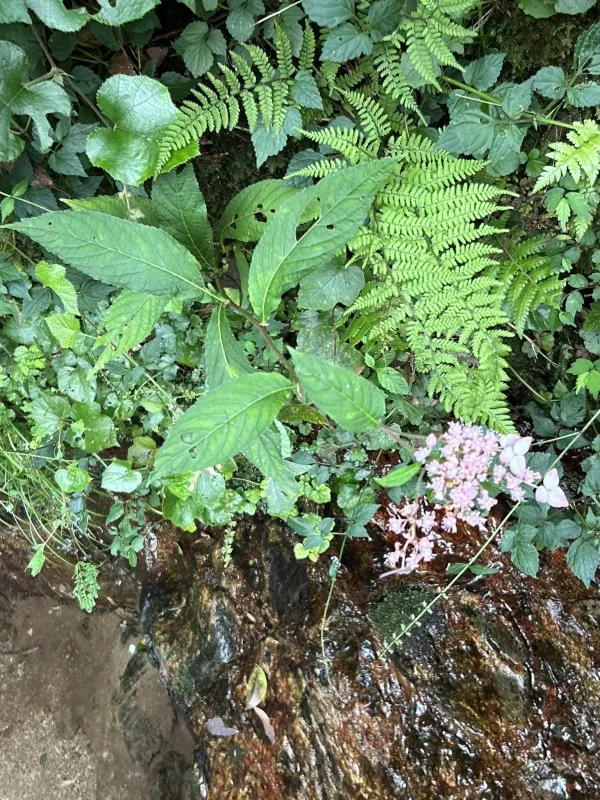
Description
Growing requirements
Hydrangea alternifolia-amamiohsimensis belongs to the Hydrangeaceae family. This hybrid, resulting from the interaction of rare island taxa, manifests as a deciduous shrub with unique foliar morphology adapted to oceanic subtropical climates.
The native distribution of these plants is confined to specific microclimates within the Ryukyu archipelago. Its evolutionary history dictates a preference for stable humidity levels and protection from extreme temperatures.
The cultivation of this crop requires well-drained, acidic soil rich in organic matter. Maintaining consistent soil moisture is crucial, as the root system is highly sensitive to both waterlogging and acute drought stress.
Optimal planting sites include areas with dappled sunlight, protecting the foliage from intense midday heat which can cause desiccation and leaf necrosis. Proper airflow is essential to prevent micro-climatic humidity traps.
Agricultural management involves annual pruning to stimulate renewal and the application of fertilizers formulated for acid-loving plants. Winter protection is mandatory in regions where temperatures drop below the species' freezing tolerance limit.
Main diseases and pests
The primary botanical threats include fungal infections such as Botrytis and powdery mildew, which thrive in environments with poor circulation and persistent leaf wetness.
Common horticultural pests, particularly spider mites and aphids, represent significant risks during warm summer months, potentially causing severe growth retardation if left uncontrolled.
Pest management relies on the early identification of symptoms followed by the application of target-specific insecticides or biological control agents to maintain plant vigor.
Preventative cultural practices include removing fallen debris and thinning out dense branches to improve canopy aeration and reduce pathogen inoculation potential.
Management of soil chemical balance, specifically maintaining an acidic pH, is essential to prevent nutrient deficiencies, particularly iron chlorosis, which hinders the plant's photosynthetic capability.