
Cardiandra alternifolia
Hydrangea alternifolia Siebold (syn. Cardiandra alternifolia (Siebold) Siebold & Zucc.
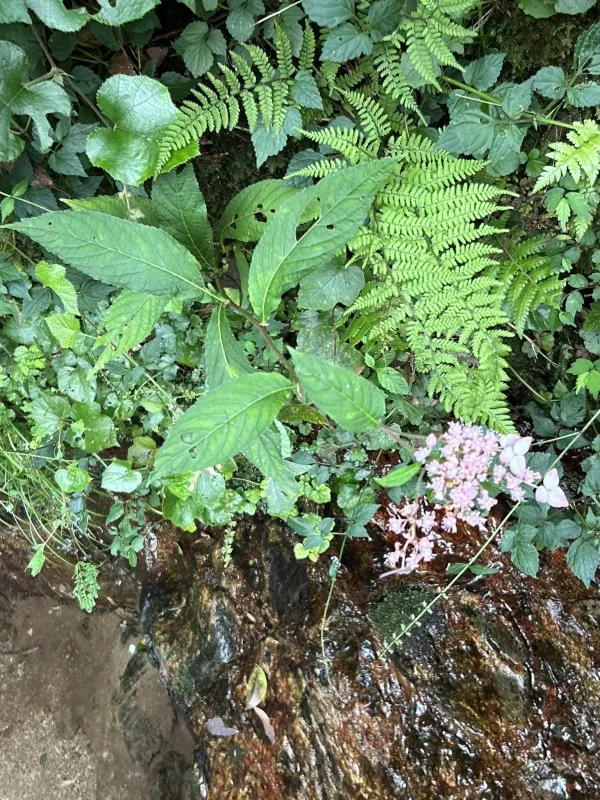
Description
Growing requirements
Cardiandra alternifolia is a perennial subshrub belonging to the Hydrangeaceae family. Native to the damp, shaded woodlands of Japan, it is a botanical rarity characterized by its unique leaf arrangement and delicate, lace-cap-like flower clusters.
This species thrives in high-humidity environments with dappled shade, making it an excellent candidate for woodland or alpine-style gardens. It demands soil that is consistently moist, nutrient-rich, and high in organic matter to mimic its natural forest floor habitat.
Soil pH is a critical factor for successful growth; the plant performs best in acidic conditions. Gardeners should ensure the growing medium is well-drained, as while the plant enjoys moisture, it cannot tolerate waterlogged soils, which lead to root rot.
Maintenance involves seasonal mulching with leaf mold or compost to maintain soil temperature and moisture levels. Given its slow growth rate and specific ecological preferences, it is generally kept as a collector's plant rather than a common horticultural commodity.
Propagation is primarily achieved through stem cuttings taken in late spring or by division of the root clump. Maintaining high atmospheric humidity is beneficial for young plants, especially during the establishment phase in new garden locations.
Main diseases and pests
Fungal pathogens represent the most common threat to Cardiandra alternifolia, particularly during damp, stagnant weather conditions. Fungal leaf spots can cause significant defoliation if not treated with appropriate systemic fungicides.
Pests such as aphids and spider mites are frequent invaders, especially when the plant is stressed by heat or drought. Regular inspection of the undersides of leaves is recommended to detect these infestations before they spread to the entire plant.
Root rot is the most lethal condition for this species, caused by poor drainage or overwatering. Symptoms often include wilting despite moist soil, which indicates that the root system is no longer functioning correctly due to anaerobic conditions.
Chlorosis, or yellowing of the leaves while veins remain green, is a common indicator of improper soil pH or iron deficiency. Adjusting the soil chemistry using elemental sulfur or iron chelates is the standard method for correcting this nutrient uptake issue.
Winter survival can be a challenge in cooler climates, as the plant is susceptible to frost damage. Protective winter covering is essential in regions where temperatures drop significantly below freezing to prevent the dieback of the woody stems.