
Sesleria sadleriana
Sesleria sadleriana
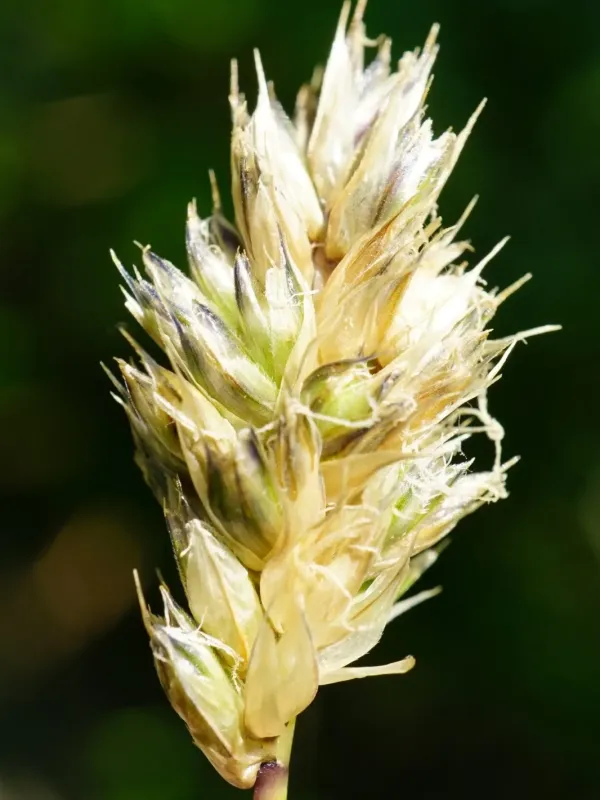
Description
Growing requirements
Sesleria sadleriana is a perennial herbaceous plant belonging to the grass family (Poaceae). Native to the mountainous regions of Central Europe, this species is well-adapted to rocky, limestone-rich soils and challenging climatic conditions found at higher altitudes.
Botanically, the plant forms a dense, neat, and compact tussock reaching heights between 30 and 50 centimeters. The foliage features a distinct glaucous or blue-green color, providing a unique visual texture that makes it a popular choice for ornamental horticulture.
To cultivate Sesleria sadleriana effectively, one must ensure excellent soil drainage. It thrives in calcareous, stony, or rocky soils and requires full sun to partial shade for optimal growth. The plant is remarkably drought-tolerant once established and does not require frequent irrigation.
Maintenance is minimal, as the species is hardy and generally pest-free. However, it is essential to avoid sites prone to waterlogging, as the roots are sensitive to excess moisture in winter, which can lead to rot and plant decline if the soil remains saturated for long periods.
The primary use of this grass is in landscape design, specifically for rock gardens, alpine beds, and border plantings. Because of its structural durability and aesthetic appeal throughout the year, it is frequently used by professionals to create naturalistic, low-maintenance planting schemes.