
Silver moor grass
Sesleria argentea
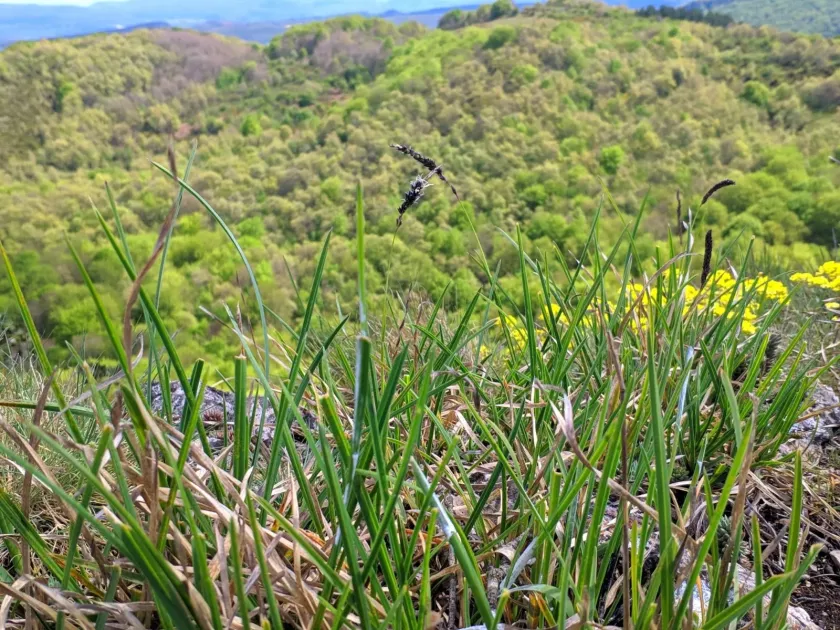
Description
Sowing dates
Sesleria argentea is best propagated from seeds sown in early spring. The seeds are small and require careful handling, with surface sowing being the preferred method to ensure proper germination and growth.
To improve germination rates, it is highly recommended to stratify the seeds at low temperatures for several weeks before sowing. This practice mimics the natural overwintering cycle and significantly boosts the uniformity of seedling emergence.
When sowing in trays, use a well-draining, sterile seed starting mix. Keep the soil consistently moist but never waterlogged, as this is critical during the initial stages of root development for this Poaceae family member.
Transplanting seedlings to their final location should only occur once the risk of heavy frost has passed and the root system is sufficiently developed. Spacing should allow for adequate airflow between mature clumps.
Germination can be slow and sporadic; therefore, patience is required. Ensuring consistent environmental conditions such as stable temperatures and adequate light will lead to the best results for commercial or home cultivation.
Growing requirements
Silver moor grass thrives in full sun to partial shade, showing remarkable adaptability to various light conditions. It is native to the mountainous regions of Southern Europe, where it grows in limestone-rich soils.
The primary requirement for successful cultivation is excellent soil drainage. The plant will suffer in heavy, clay-rich soils that retain moisture for too long, potentially leading to root decay during wet seasons.
As a drought-tolerant species, Sesleria argentea is an excellent choice for low-maintenance landscapes. Once established, it requires very little additional irrigation even during dry spells, making it a sustainable plant choice.
The plant prefers neutral to slightly alkaline soil conditions. If the soil is excessively acidic, minor amendments with lime or crushed limestone can be used to optimize the environment for root health.
Fertilization is rarely necessary. In fact, providing too much nitrogen-rich fertilizer can result in floppy, weak growth, which detracts from the plant’s naturally compact and elegant architectural form.
Main diseases and pests
The species is generally robust and free from significant pest infestations. Its dense foliage structure is usually sufficient to discourage many common garden pests that affect more fragile herbaceous plants.
Fungal issues, such as rust or leaf spot, can occur if the plants are situated in areas with poor air circulation or excessive humidity. Ensuring proper spacing between individual plants is the best preventative measure.
Root rot is the most serious threat, typically caused by improper watering practices or heavy, poorly draining soils. This can be mitigated by incorporating gravel or coarse sand into the planting medium.
In some regions, grass-eating insects or snails may cause minor damage to fresh spring growth. However, this is rarely fatal to established, vigorous clumps, which usually outgrow any minor damage quickly.
Good horticultural hygiene, including the removal of old, debris-filled foliage in early spring, helps prevent the overwintering of pathogens and maintains the overall health and vigor of the ornamental grass patch.
Harvesting
Harvesting for ornamental use involves cutting the silver-tipped inflorescences at their peak maturity. This is best done in late summer or early autumn when the stalks are dry and structurally sound.
The plant itself serves as a long-lasting element in garden design, providing visual interest well into the winter months. Trimming back the foliage is traditionally performed at the very beginning of the spring season.
Seeds intended for future propagation should be harvested when the color transitions to a light, silvery grey. After harvesting, store the seeds in cool, dry conditions within airtight containers to maintain their viability.
Garden maintenance during the harvest season includes clearing away any self-sown seedlings if the aim is to maintain a specific design layout. The plant's clump-forming nature makes it easy to control and manage.
Overall, the harvest and maintenance requirements for Sesleria argentea are minimal, allowing for sustainable cultivation in both professional landscape projects and private botanical gardens.