
White moor grass
Sesleria alba
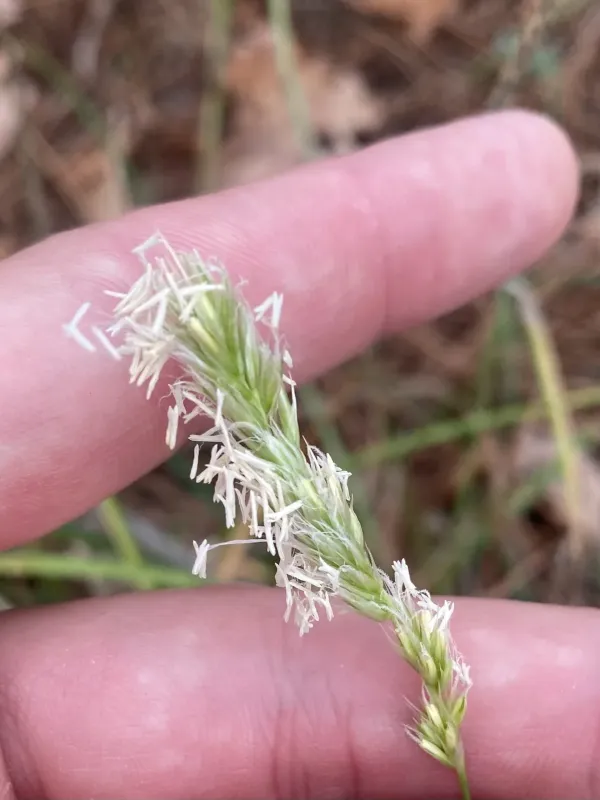
Description
Growing requirements
Sesleria alba, commonly known as white moor grass, is a perennial herbaceous plant belonging to the Poaceae family. It is native to mountainous regions in Europe, where it thrives in rocky, calcareous soil environments.
Botanically, the plant is characterized by its compact, dense tussock-forming growth habit. The foliage is relatively stiff and maintains a neat appearance throughout the growing season, which is highly valued for horticultural purposes.
Regarding cultivation requirements, Sesleria alba prefers sunny locations but can tolerate partial shade. It is well-adapted to alkaline soils and exhibits excellent cold hardiness, making it suitable for various climatic zones.
Agronomic management focuses primarily on providing well-drained soil. Waterlogging should be avoided at all costs, as stagnant moisture is detrimental to the roots, especially during the dormant winter months.
The main agricultural and landscape use of this species is as an ornamental grass for rock gardens and naturalistic plantings. Due to its dense root system, it is also effective for soil stabilization on slopes or banks where minimal maintenance is required.
Main diseases and pests
White moor grass is known for its robust health and resistance to typical grass diseases. The lack of intensive maintenance requirements naturally prevents many fungal issues common in more sensitive grass varieties.
Pests are rarely a problem for this species, as the tough texture of the leaves makes it unappealing to many common insects. Standard spring cleanup, which involves removing old foliage, is usually sufficient to maintain the plant's long-term vitality.