
Blue moor grass
Sesleria albicans
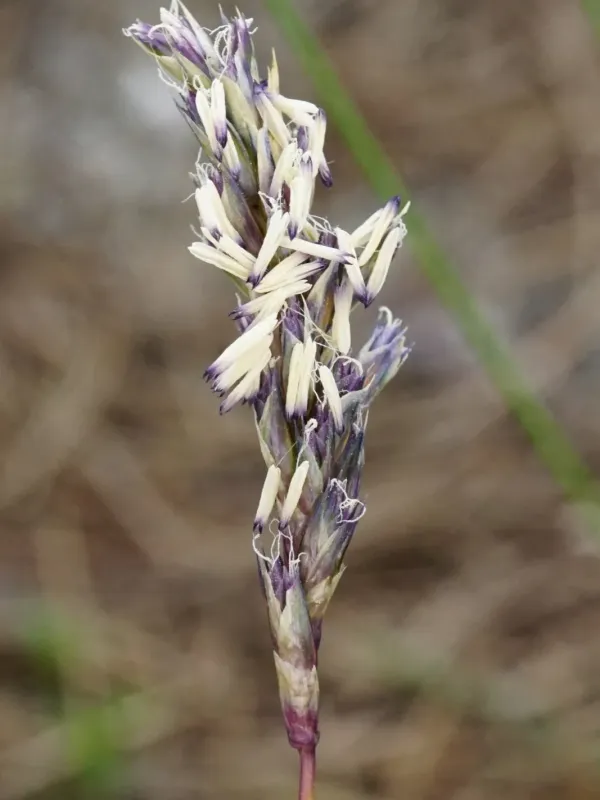
Description
Growing requirements
Blue moor grass (Sesleria albicans) is a perennial grass species within the Poaceae family. It is widely valued for its dense, mounding habit and unique blue-green foliage that maintains aesthetic appeal throughout most of the year.
Originating from the limestone-rich mountain ranges of Europe, this species is well-adapted to high-altitude environments. Its native range demonstrates a high degree of hardiness, making it a reliable choice for gardens in various temperate climates.
Regarding light requirements, the plant thrives best in full sun to partial shade. While it prefers sunny exposures, it exhibits notable drought tolerance once established, making it suitable for xeriscaping or low-maintenance garden designs.
The ideal soil for Blue moor grass is well-drained and alkaline. It is particularly effective when planted in gritty, rocky substrates that mimic its natural habitat. Heavy, clay-based soils should be improved with drainage materials to prevent root saturation.
Maintenance is generally straightforward. The primary task involves cutting back the old foliage in early spring before new growth appears. Propagation is most efficiently achieved through division of established clumps in the spring or autumn months.
Main diseases and pests
Blue moor grass is notably resistant to most common pests and diseases. Its robust nature makes it a low-input ornamental plant, minimizing the need for interventions or chemical control measures.
The most significant threat to the plant's health is waterlogged soil. Excessive soil moisture, especially during the dormant winter period, can lead to crown and root rot, which may cause the collapse of the entire clump.
Insects like aphids or spider mites rarely cause significant damage. The plant's tough, slightly serrated leaf blades serve as a natural barrier against typical foliage-feeding pests.
To avoid potential issues with mildew, it is recommended to plant specimens with adequate spacing. This ensures proper airflow, which is essential for keeping the center of the clump dry and healthy.
Monitoring the plants during seasons of high humidity is a good practice. If any signs of discoloration appear, removing the affected leaves and ensuring the planting site has adequate drainage will usually solve the problem without further treatment.