
Blue moor grass
Sesleria coerulans
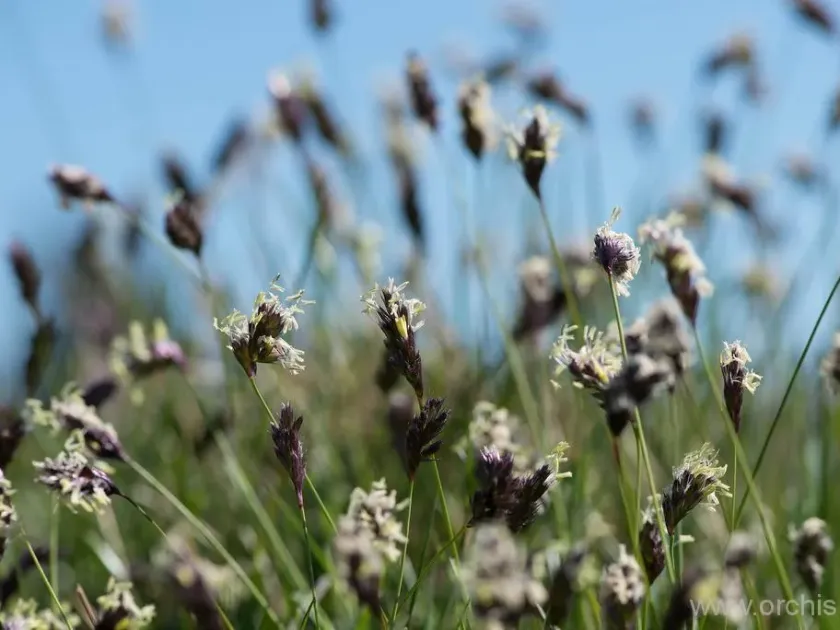
Description
Sowing dates
Blue moor grass is typically propagated through seed sowing or by dividing mature clumps. Spring sowing directly into the soil is the most common method for garden establishment.
When starting seeds indoors, they should be sown in late winter or early spring using a well-draining seed starting mix to ensure optimal germination.
Seeds of Sesleria coerulans benefit from a period of cold stratification, which helps break dormancy and promotes more uniform emergence of seedlings.
Vegetative division is best performed in early spring or late autumn when the plant is not in active growth, ensuring rapid root development before the heat of summer.
When transplanting divisions or seedlings, keep a spacing of at least 12 to 15 inches apart to prevent overcrowding as the plants reach maturity.
Growing requirements
As a member of the Poaceae family, Blue moor grass is a compact, perennial grass native to rocky and calcareous habitats in Europe.
This grass thrives in full sun but tolerates partial shade, making it a versatile choice for borders, rock gardens, and naturalistic landscape designs.
It prefers alkaline to neutral, well-draining soil and shows remarkable resilience to drought once established in the garden environment.
Sesleria coerulans is known for its high frost tolerance, surviving cold winters in exposed positions without the need for additional winter protection.
Minimal fertilization is required; in fact, overly rich soils can cause the plant to lose its characteristic compact form and unique bluish hue.
Main diseases and pests
Sesleria coerulans is naturally resistant to most common garden pests and diseases, which makes it an excellent choice for low-maintenance landscapes.
The primary concern is root rot, which occurs if the soil remains waterlogged for extended periods, particularly during the dormant season.
Occasional infestations of aphids may occur during stressful dry periods, but these are rarely severe enough to require intensive chemical intervention.
Proper garden sanitation, including the removal of dead foliage in late winter, helps reduce the environment for potential fungal pathogens.
To keep the plants healthy, monitor moisture levels in the root zone and ensure that the surrounding soil allows for adequate air circulation.