
Autumn moor grass
Sesleria autumnalis
Description
Growing requirements
Autumn moor grass (Sesleria autumnalis) is a member of the Poaceae family. It is a perennial herbaceous plant native to the rocky slopes and woodland habitats of Central and Southern Europe.
The plant is highly adaptable and thrives in a wide range of soil types, showing a particular affinity for limestone or alkaline soils. Proper soil drainage is essential for its longevity and health.
It prefers sunny positions or light shade where it can maintain its characteristic density and vibrant foliage color. The species is known for its remarkable winter hardiness and tolerance to moderate drought conditions.
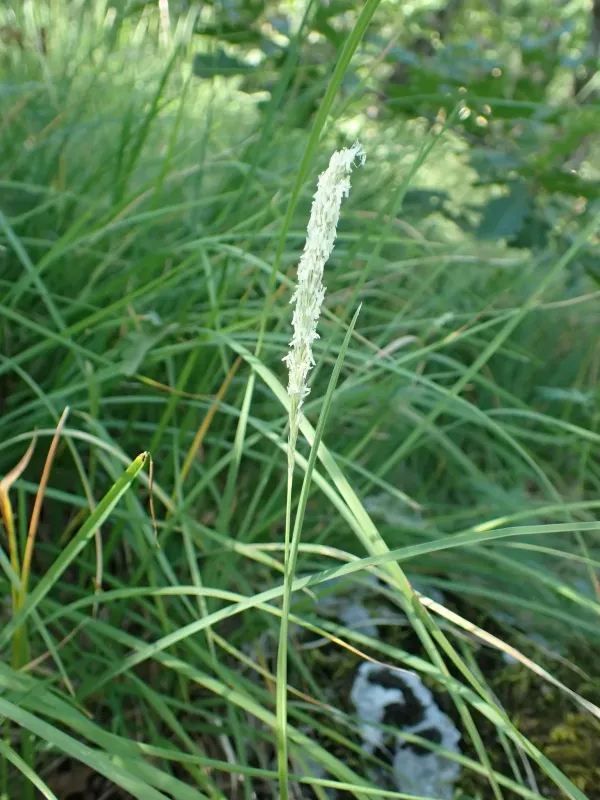
Botanically, it features a clumping habit with semi-evergreen linear leaves. The foliage emerges a bright pale green, turning to straw-colored inflorescences by the end of the season, which adds significant visual interest.
In landscaping, this grass is prized for its ability to form neat, rounded mounds. It is ideal for edging, ground cover in low-maintenance landscapes, and adding texture to modern perennial gardens.
Main diseases and pests
Sesleria autumnalis is recognized for its robust health and general lack of susceptibility to diseases. The primary environmental stressor is prolonged soil saturation, which can lead to root rot.
Pests are rarely an issue for this species under proper horticultural conditions. Occasional infestations of aphids or spider mites may occur in stressed plants but are generally non-lethal.
Maintenance practices such as spring cleanup involve clearing out dead foliage to prevent fungal build-up and encourage new growth. Proper spacing is necessary to ensure adequate ventilation between the clumps.
Chemical intervention is seldom required. Keeping the soil well-drained and avoiding excessive moisture in the dormant season are the most effective strategies for preventing physiological disorders.
Because of its natural resistance, this plant is an excellent choice for sustainable gardening. It minimizes the need for fertilizers and synthetic pesticides while providing long-lasting aesthetic value.