
Sesleria ovata
Sesleria ovata
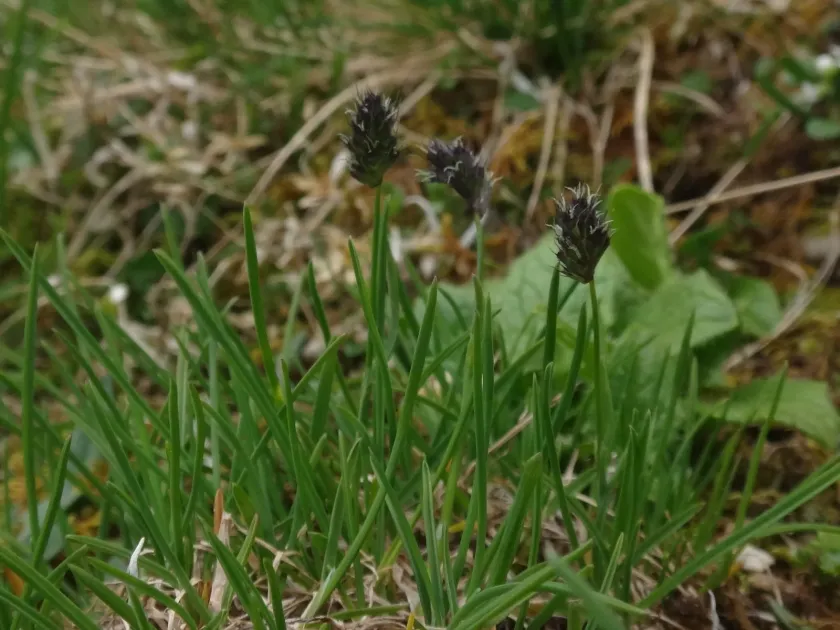
Description
Growing requirements
Sesleria ovata is a perennial herbaceous grass belonging to the Poaceae family. This species is native to mountainous regions across Southern and Central Europe, where it naturally thrives on lime-rich, rocky soils and slopes exposed to varying climatic conditions.
The plant grows in dense, compact tufts with narrow, glaucous-green leaves that remain attractive throughout the growing season. Its most distinctive feature is the flowering stage, during which it produces oval, spike-like panicles that transition from silvery-white to purple as they mature in late spring.
For successful growth, Sesleria ovata requires well-drained soil with a neutral to alkaline pH. While it prefers full sun, the plant demonstrates remarkable adaptability to partial shade. Its deep root system allows it to withstand significant periods of drought once established.
In terms of agricultural and horticultural management, this species is considered low-maintenance. It is highly cold-tolerant and requires minimal intervention beyond the removal of dead foliage in early spring to encourage new, fresh growth for the upcoming season.
The primary use of Sesleria ovata is in landscaping and garden design. Its aesthetic appeal makes it a popular choice for rock gardens, borders, and modern minimalist plantings. Additionally, it serves as an excellent ground cover that helps stabilize soil and effectively suppresses invasive weeds.
Main diseases and pests
This grass species is notably resistant to most common agricultural diseases. However, in environments with poor drainage, the plant can be susceptible to fungal issues, specifically root rot, if the soil remains constantly waterlogged for extended periods during the winter months.
Pests generally do not pose a significant threat to Sesleria ovata. Occasional infestations of aphids or spider mites can occur in stressed or overly crowded plantings. Regular maintenance, including thinning the tufts and ensuring adequate air circulation, is the most effective preventative measure.