
Sesleria nitida
Sesleria nitida
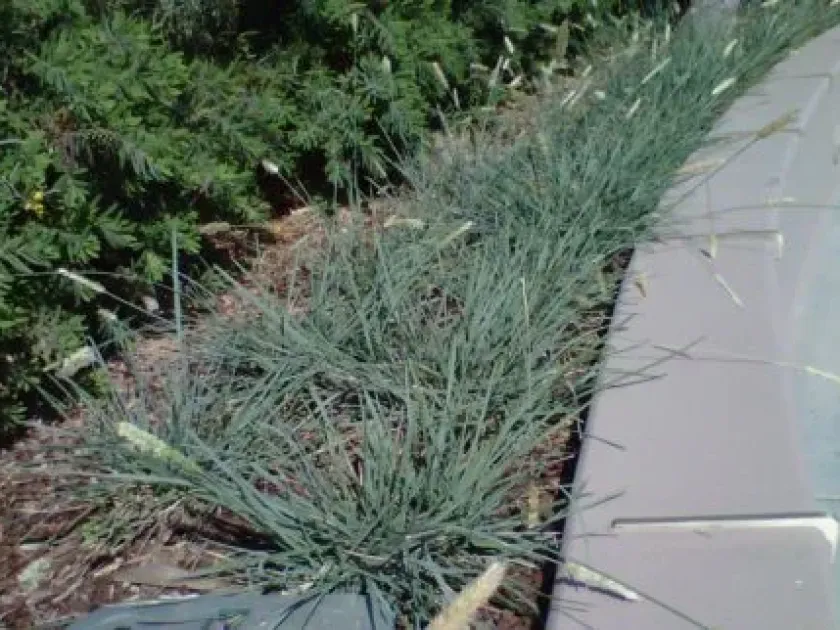
Description
Growing requirements
Sesleria nitida, commonly known as Italian moor grass, belongs to the Poaceae family. It is a perennial grass native to the limestone mountains of Italy and the Adriatic region, adapted to alkaline, stony soils.
The plant forms tight, dense tufts of glaucous, semi-evergreen foliage. Its narrow, stiff leaves possess a distinct sheen, which gives the species its botanical name. It grows slowly, maintaining a neat, architectural form for many years.
This grass thrives in full sun or partial shade but performs best in well-drained, calcareous soil. It is highly valued for its drought tolerance once established, though it prefers consistent moisture during the early spring growth phase.
Regarding cultivation, it is essential to ensure excellent drainage. Sesleria nitida does not tolerate waterlogged conditions, particularly during the winter months, which can quickly lead to root rot and loss of the plant.
In landscape design, this species is perfect for rock gardens, gravel beds, and mixed perennial borders. It provides a year-round structure and pairs exceptionally well with other sun-loving plants that enjoy similar soil conditions.
Main diseases and pests
Sesleria nitida is generally considered a low-maintenance and disease-resistant plant. The most significant threat is improper irrigation, which leads to crown rot. Maintaining a dry, airy environment around the base is critical.
Fungal issues, such as rust, may occur if the plants are crowded or if humidity levels remain too high for extended periods. Pruning the foliage in late winter or early spring helps rejuvenate the plant and prevent infections.
Pests are rarely a concern for this ornamental grass. Occasionally, slugs or snails may feed on the tender young shoots in the spring, so monitoring vulnerable plantings in moist conditions is advisable.
Cultural control is the most effective approach to plant health. This includes selecting the right site with adequate airflow and avoiding the excessive use of high-nitrogen fertilizers that lead to weak, succulent growth.
By following standard maintenance practices, including periodic division of older clumps to prevent center die-back, gardeners can ensure the longevity and decorative appeal of Sesleria nitida for many years.