
Sesleria insularis
Sesleria insularis
Description
Growing requirements
Sesleria insularis is a perennial herbaceous plant belonging to the Poaceae family. Native to the islands of the Mediterranean, particularly Sardinia and Corsica, this grass has evolved to thrive in harsh, rocky, and sun-exposed environments where other plants might struggle.
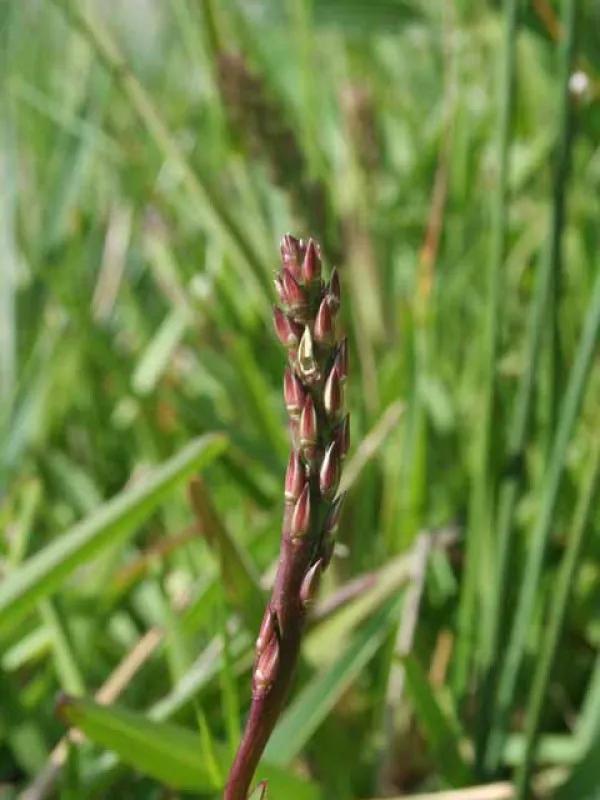
Botanically, this species is characterized by its compact, dense tufts of blue-green foliage. The leaves are firm and durable, allowing the plant to maintain a neat appearance throughout the growing season and often remaining evergreen in milder climates.
Cultivation requirements for Sesleria insularis focus primarily on soil drainage. It demands well-aerated, rocky, or sandy substrates that prevent water stagnation. Excess moisture around the roots, especially during winter, is the most common cause of plant failure.
The plant exhibits high levels of drought tolerance once established, making it an excellent choice for low-maintenance landscapes. It prefers full sun or light shade to maintain its compact growth habit and vibrant leaf coloration throughout the year.
In terms of agricultural and landscape use, this species is highly valued for erosion control on slopes and as a structural element in rock gardens and Mediterranean-style landscapes. Its low stature and tidy habit make it ideal for mass planting or edging.
Main diseases and pests
Sesleria insularis is naturally resistant to most common plant diseases, making it a reliable choice for professional landscapers. Its primary threat is root rot, which typically occurs only when the plant is grown in heavy, waterlogged soils with poor drainage.
Pests are generally not a concern for this species. Its tough, fibrous leaf structure makes it unappealing to many common garden pests. Therefore, the use of pesticides is unnecessary, contributing to the plant's reputation as an environmentally friendly choice.
Good ventilation and adequate spacing between plants are essential to prevent fungal issues. Ensuring that air can circulate around the foliage helps to quickly evaporate morning dew and rain, reducing the risk of foliage-related diseases.
The main maintenance task is the removal of dead foliage in the early spring. This simple practice not only improves the aesthetics of the plant but also removes potential hiding spots for small insects and prevents the buildup of organic debris around the crown.
There is no specific harvest schedule for this ornamental crop, as it is grown for its aesthetic value. Proper management is focused on providing the right environmental conditions to prevent physiological stress, which is the only way this plant would become susceptible to pests or diseases.