
Sesleria hybrids
Sesleria hybrids
Description
Growing requirements
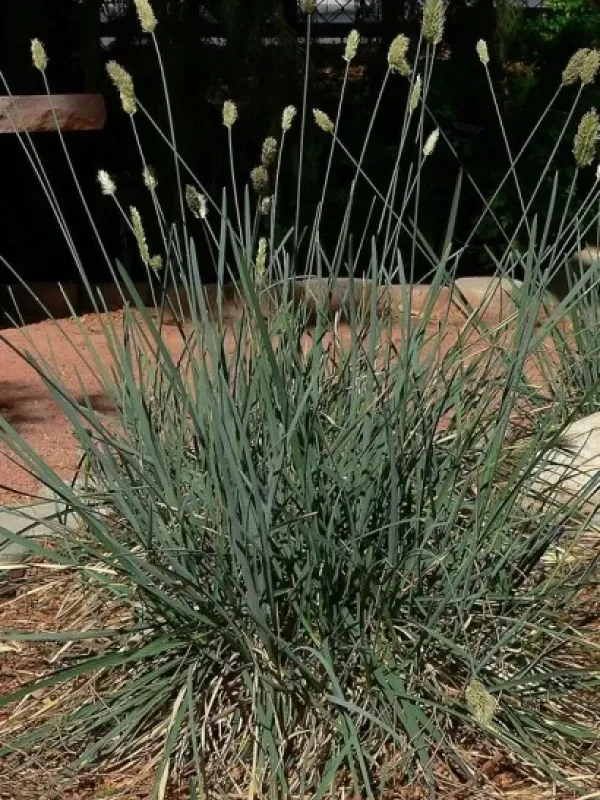
Sesleria hybrids, belonging to the Poaceae family, are perennial grasses prized for their dense, tufted habit and bi-colored foliage. They are widely utilized in contemporary landscaping due to their tidy growth form and adaptability to various garden styles.
These hybrids are derived from species native to Europe, where they naturally occur in limestone-rich soils and rocky habitats. This heritage provides the plants with excellent tolerance for various soil types, provided they are well-draining.
The optimal location for Sesleria hybrids includes full sun to partial shade. While they are adaptable, they thrive best in neutral to alkaline soils, reflecting their natural affinity for calcareous environments found in their native range.
Regarding water requirements, these grasses are relatively drought-tolerant once established. However, during the initial planting phase, consistent moisture is necessary to develop a healthy and robust root system.
Maintenance is straightforward, involving simple annual spring pruning to remove old growth. This practice ensures that the new season's foliage remains vibrant and maintains the compact structure characteristic of the plant.
Main diseases and pests
Sesleria hybrids are remarkably resilient to common agricultural pests and diseases. Their tough foliage and preference for well-aerated sites make them less susceptible to typical fungal issues compared to broad-leaved plants.
Potential threats primarily stem from poor site selection, particularly areas prone to waterlogging. Excess moisture can lead to crown rot, which is the most significant physiological risk to the longevity of the plant.
Rarely, aphids or mites may appear on young foliage during periods of extreme heat or drought stress. These can usually be managed by maintaining optimal watering schedules or using gentle insecticidal soaps if necessary.
To keep the grass healthy, it is important to prevent overcrowding. Ensuring adequate airflow between plants reduces the humidity levels that encourage fungal pathogens to develop on the leaf blades.
Regular inspection of the plant base is recommended as part of routine garden care. This allows for early detection of any discoloration or decay, which can be addressed by adjusting soil drainage or improving the surrounding environment.