
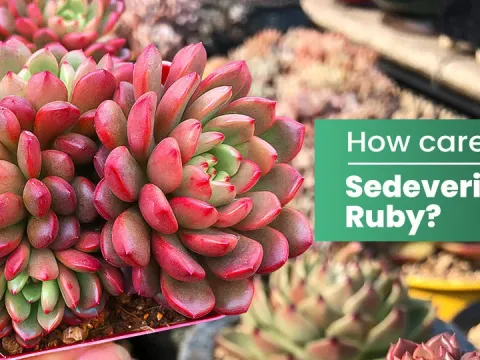
Sedeveria
Sedeveria
Sedeveria is a notable intergeneric hybrid created by cross-breeding plants from the Sedum and Echeveria genera. As a member of the Crassulaceae family, it combines the structural elegance of its parents, making it a staple in ornamental horticulture.
What the section contains

Sedeveria
The cultural requirements are centered on high light intensity. To maintain its compact, rosette-forming habit, Sedeveria needs several hours of bright, direct sunlight daily, preventing the elongation of stems known as etiolation.
Regarding soil, the plant demands excellent drainage. A gritty mix consisting of potting soil combined with pumice, coarse sand, or perlite is essential to ensure that water passes through quickly, mimicking the rocky habitats of its ancestors.
Temperature management requires a balanced approach. While the plant thrives in warm summer conditions, it requires cooler temperatures, ideally between 10 to 15 degrees Celsius, during the winter months to enter a dormant phase necessary for future growth.
Watering should follow the soak-and-dry method. It is imperative to allow the substrate to dry out completely between waterings to prevent the development of anaerobic conditions around the roots, which can lead to decay.
The primary threat to Sedeveria is the incidence of fungal and bacterial rots. These are almost exclusively caused by overwatering or poor drainage, which traps moisture in the root zone for too long.
Mealybugs are the most common pest observed in succulent collections. These insects cluster in the crevices between the tightly packed leaves of the rosette, making them difficult to detect and eradicate.
Root mealybugs can also infest the subterranean parts of the plant, often leading to sudden wilting and leaf drop even when the plant appears to be receiving adequate care above ground.
Management strategies involve keeping the plant environment clean and ensuring adequate airflow to reduce humidity levels. Removing infested leaves or using systemic insecticides can help manage pest populations effectively.
It is crucial to isolate affected specimens immediately upon discovery to prevent the migration of pests to healthy plants, ensuring the long-term health of the entire collection.