
Calibrachoa parviflora
Calibrachoa parviflora (Juss.) D’Arcy
Description
Growing requirements
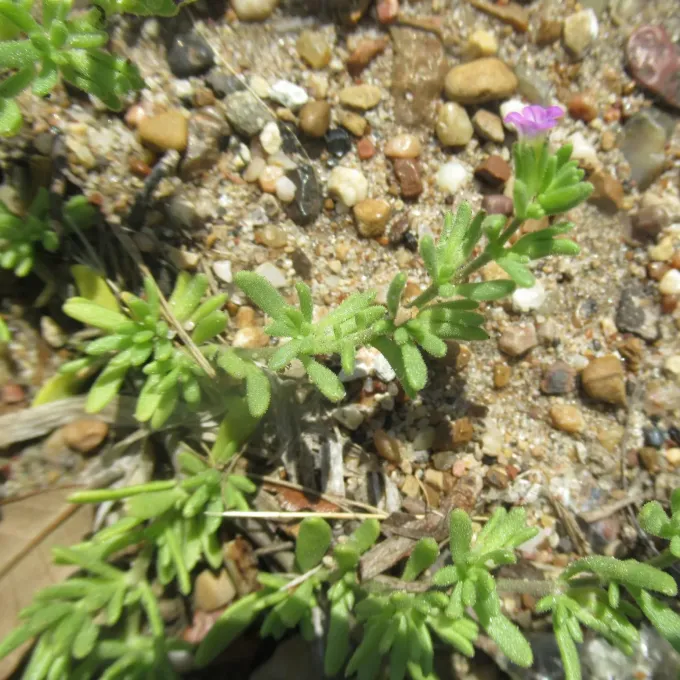
Calibrachoa parviflora is a flowering herbaceous plant belonging to the Solanaceae family. It is characterized by its spreading growth habit and small, numerous flowers that create a dense carpet effect.
Native to the Americas, this species thrives in environments with high solar radiation and is often found in open fields and rocky habitats, demonstrating significant resilience to variable climate conditions.
Successful cultivation requires well-draining soil with a slightly acidic to neutral pH level. Proper aeration of the growing medium is essential to prevent root rot, which is the most common physiological challenge.
The plant demands full sun exposure to maintain its compact shape and ensure continuous bloom. In regions with cooler climates, it is typically managed as a seasonal annual or container-grown plant to avoid frost damage.
Agronomic management involves consistent fertilization schedules, focusing on potassium and iron-rich nutrients to maintain vibrant leaf color and optimal flower production throughout the growing season.
Main diseases and pests
Common pests include aphids and spider mites, which can proliferate rapidly in dry environments. Monitoring and timely application of targeted pest control measures are required for plant health.
Fungal diseases such as powdery mildew and root rot represent the primary phytosanitary risks, usually triggered by high humidity levels or poor drainage systems in commercial settings.