
Calibrachoa ovalifolia
Calibrachoa ovalifolia (Miers) Stehmann & Semir
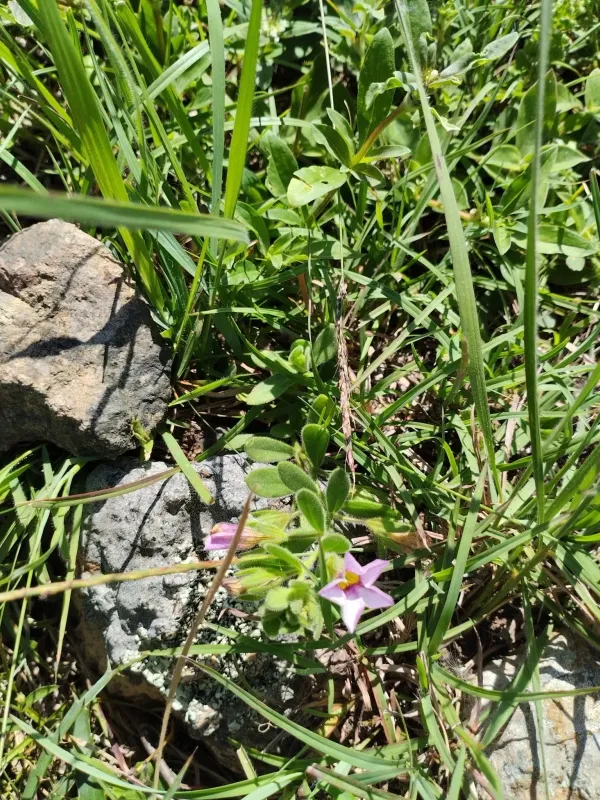
Description
Growing requirements
Calibrachoa ovalifolia is a perennial plant species belonging to the Solanaceae family. Native to South America, specifically Brazil, this plant is characterized by its compact habit, oval-shaped leaves, and a profuse flowering capability that has made it a subject of interest in commercial floriculture.
Botanically, the species is distinguished by its semi-shrubby growth form and relatively woody stems, which provide structural stability. Unlike its close relative, the petunia, Calibrachoa ovalifolia thrives in environments that mimic its native rocky or open-field habitats where light exposure is maximized.
Successful cultivation requires a well-draining, slightly acidic soil medium with a pH range between 5.5 and 6.5. Providing adequate aeration for the root system is essential, as the species is highly sensitive to hypoxia resulting from waterlogged conditions in the container or ground.
Climate requirements include a preference for mild, stable temperatures ranging from 20°C to 25°C. Exposure to direct sunlight for at least six hours per day is recommended to ensure strong stem development and to prevent the etiolation commonly observed in shaded specimens.
In terms of agricultural management, regular fertigation is necessary to maintain high growth rates. Because these plants are efficient feeders, using micronutrient-fortified fertilizers is critical to prevent iron chlorosis, a common physiological disorder in this family of plants.
Main diseases and pests
Root rot, often caused by Pythium species, remains the primary threat to the longevity of Calibrachoa ovalifolia. Maintaining proper hygiene in greenhouse operations and ensuring that drainage is never compromised are the most effective preventative measures.
Powdery mildew represents a significant fungal threat, particularly in humid climates or areas with poor air circulation. The application of systemic fungicides and the implementation of spacing protocols help to manage the spread of the spores effectively.
Pest populations such as aphids and whiteflies can devastate the crop if left unchecked. These insects not only cause direct physical damage to the leaves but also serve as vectors for various plant viruses that can significantly reduce the overall yield and aesthetic value.
Spider mites are particularly problematic during hot, dry spells, as they thrive in low-humidity environments. Regular foliage inspection and the use of appropriate miticides are required to contain infestations before they cause irreversible leaf drop.
Thrips are also a recurring concern, as they target the floral organs, causing discolouration and misshapen blooms. Utilizing yellow sticky traps for population monitoring is a standard practice in professional nurseries to determine the timing of insecticide applications.