
Calibrachoa humilis
Calibrachoa humilis (R. E. Fr.) Stehmann & Semir
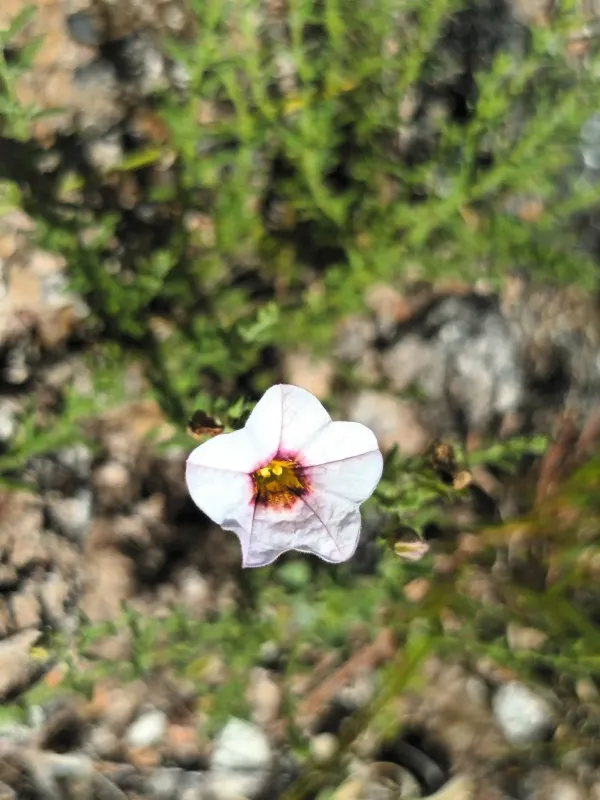
Description
Growing requirements
Calibrachoa humilis is an herbaceous perennial belonging to the Solanaceae family. Originating from South America, this species is well-adapted to habitats with specific soil compositions, often thriving in rocky or sandy environments that provide excellent natural drainage.
This crop has high light requirements. To maintain a compact growth habit and achieve maximum flowering potential, it is essential to provide at least 6–8 hours of direct sunlight daily, as light deficiency leads to elongated stems and reduced vitality.
The ideal growing medium for this plant must be loose and well-aerated with a pH range of 5.5 to 6.5. Because the species is highly sensitive to iron deficiency, maintaining the correct soil acidity is critical to prevent chlorosis and ensure optimal nutrient uptake.
Temperature management is vital for the development of Calibrachoa humilis. The plant thrives in moderate conditions, ideally between 20°C and 25°C, and requires protection from extreme weather events, particularly frost, which can cause severe damage to the foliage.
Proper water management involves maintaining moderate soil moisture without saturation. Over-watering is the primary cause of root-related issues, making it necessary to implement a professional irrigation system that ensures proper oxygen exchange in the root zone.
Main diseases and pests
Major pests affecting this crop include spider mites, aphids, and whiteflies. These pests proliferate rapidly in environments with low humidity, and their presence can quickly lead to plant decline if not monitored through regular scouting.
Root rot and Phytophthora are among the most significant threats to the health of the plant. These fungal diseases are almost always associated with poor substrate drainage or environmental conditions that promote excessive moisture around the root base.
Preventative measures against powdery mildew and other fungal infections include ensuring adequate plant spacing to facilitate airflow. Good ventilation is a fundamental requirement for greenhouse production to prevent pathogen outbreaks.
The use of systemic fungicides and insecticides is recommended only when threshold levels of infestation or infection are reached. It is essential to choose products that are compatible with the sensitive nature of the plant to avoid chemical damage.
Sanitation practices, such as removing fallen debris and dead plant tissue, play a key role in reducing the inoculum of fungal spores in the growing area. These steps are essential for maintaining a clean and productive environment for the crop.