
Calibrachoa
Calibrachoa excellens x C. ovarifolia
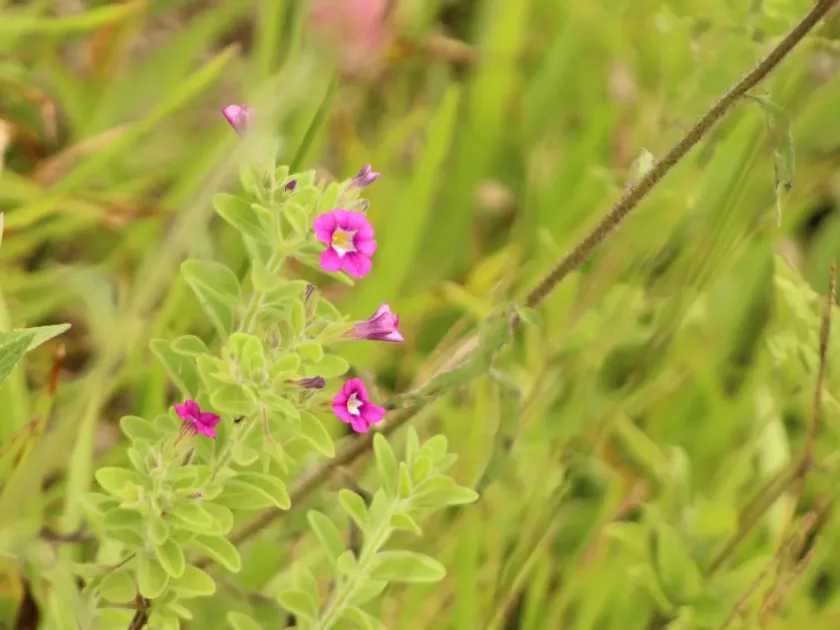
Description
Sowing dates
Calibrachoa, a member of the Solanaceae family, is predominantly propagated through vegetative cuttings, as hybrid cultivars rarely produce true-to-type seeds.
When starting from seeds, use a sterile, well-draining potting mix and provide supplemental lighting, as seedlings require high-intensity light for healthy development.
Cuttings are usually taken from healthy mother plants and rooted in moist, warm conditions with high humidity to ensure rapid establishment of the root system.
Temperature management during the propagation stage is crucial, with optimal levels maintained between 22 and 24 degrees Celsius for consistent growth rates.
Transplanting into final containers or open ground should be delayed until all frost risks have passed, ensuring the soil has warmed up sufficiently.
Growing requirements
This crop thrives in full sun, requiring at least six to eight hours of direct light daily to maintain its compact habit and prolific flowering performance.
The growing medium must be acidic (pH 5.5–6.5) and highly porous to prevent waterlogging, which is the most frequent cause of root-related failures.
Consistent moisture is necessary, but the soil should be allowed to dry slightly between watering intervals to promote healthy oxygen exchange in the roots.
Regular fertilization with high-potassium and iron-rich formulas is essential to support the massive energy demand required for continuous blooming throughout the season.
To keep the plants looking their best, regular pruning or "pinching back" helps maintain a compact shape and encourages the development of new flowering stems.
Main diseases and pests
Root rot, often caused by overwatering and poor drainage, remains the primary threat to the health and longevity of Calibrachoa in both pots and garden beds.
Pests like aphids, whiteflies, and spider mites frequently infest these plants, especially in greenhouses or during periods of hot, dry weather conditions.
Iron deficiency, manifesting as interveinal chlorosis, is a common metabolic issue that typically results from an incorrect soil pH or excessive alkalinity in the water.
Maintaining a preventative pest and disease management program is key, involving regular monitoring and the use of appropriate horticultural treatments when necessary.
- Use of high-quality drainage systems.
- Monitoring soil acidity levels.
- Isolation of infected plants.
- Strategic pruning for better airflow.