
Scyphocephalium
Scyphocephalium
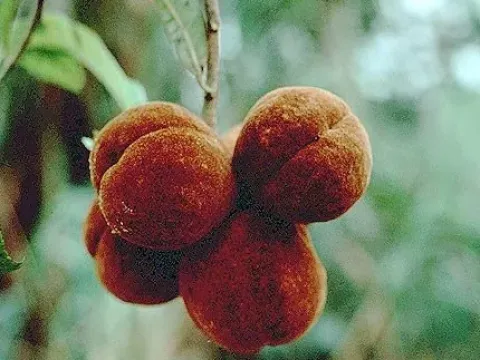
Scyphocephalium is a genus of tropical trees belonging to the Myristicaceae family. These plants are native to the dense tropical rainforests of West and Central Africa, where they thrive in competitive forest environments.
What the section contains

Scyphocephalium
The plant requires high and constant ambient temperatures throughout the year. It does not tolerate frost or cold stress, making it exclusive to the tropical climate zones where heat levels remain consistently favorable.
High soil moisture and air humidity are essential for the healthy growth of Scyphocephalium. It typically occupies regions with significant annual rainfall, necessitating well-distributed water availability.
Regarding soil requirements, the genus prefers deep, well-draining soils with a rich organic content. Red and yellow tropical soils, common in its natural range, are ideal provided they are free from waterlogging.
In terms of agricultural management, practitioners focus on mimicking the forest ecosystem. Protection from direct, harsh solar radiation and maintaining soil fertility through natural leaf litter decomposition are key strategies.
The primary economic value of Scyphocephalium lies in its timber, which is utilized for local construction, furniture making, and artisanal woodcraft. Its durability and grain pattern are appreciated in local markets.
Seeds from the genus have traditional applications, often harvested by local communities for their oil content. These oils are sometimes employed in traditional medicine and domestic culinary practices as a flavoring agent.
Harvesting usually involves collecting the mature fruit from the forest floor or harvesting directly from the tree branches once the pericarp splits. Careful manual collection is necessary to ensure the seeds remain intact.
Post-harvest handling involves cleaning the seeds of any remaining fruit pulp and subjecting them to a drying process. Shade-drying is preferred to preserve the integrity of the essential oils contained within the seeds.
Proper storage is critical to avoid the onset of fungal decay. Seeds must be kept in ventilated, dry areas to maintain their viability and chemical properties for subsequent use or processing.