
Scyphocephalium mannii
Scyphocephalium mannii
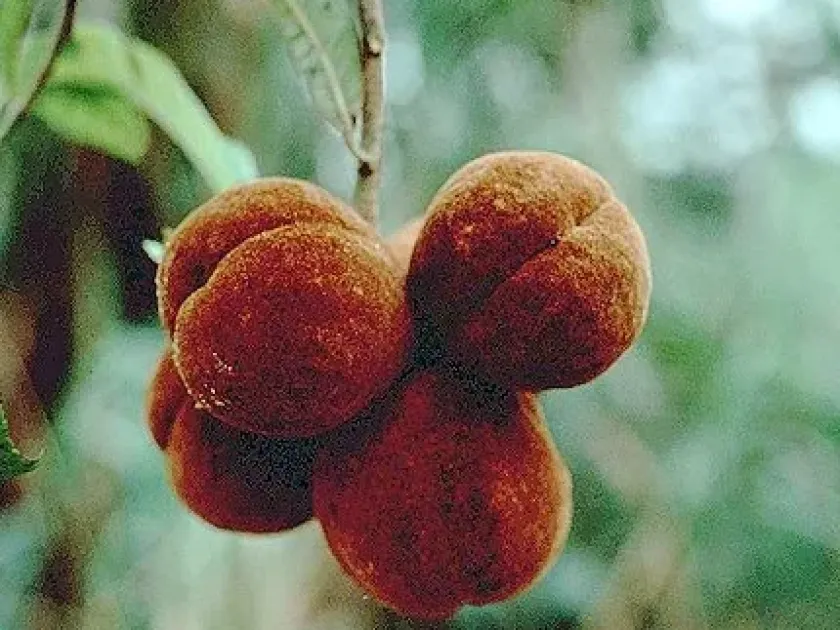
Description
Growing requirements
Scyphocephalium mannii is an evergreen tropical tree species belonging to the Myristicaceae family. It is natively found in the rainforest ecosystems of West and Central Africa, where the climate provides high humidity and relatively stable temperatures throughout the entire year.
This culture thrives in deep, fertile, and well-drained soils, which are typical of the lush forest floor. The trees prefer partially shaded environments, especially during their younger stages, where they can receive dappled light without being exposed to harsh direct sunlight.
The ideal temperature range for this species is between +22°C and +30°C. It is highly sensitive to significant cold snaps or prolonged dry seasons, which can hinder its physiological processes and affect long-term growth and fruit development.
Botanically, it features leathery leaves and produces specialized fruits containing seeds. These seeds are known for their aromatic compounds, sharing some biochemical similarities with the well-known nutmeg, as they contain various essential oils within their structure.
Agricultural management of the species requires a patient approach, as seedlings exhibit a relatively slow growth rate initially. Success depends on maintaining consistent moisture levels and protecting the young trees from extreme weather conditions and physical damage.
Yield
Economic use of Scyphocephalium mannii primarily involves the harvesting of its seeds, which are utilized in local traditional medicine and as a specialized spice. The harvest timing coincides with the natural maturity of the fruits when they begin to crack open.
Currently, the majority of the produce is gathered from wild or semi-wild populations rather than intensive plantations. Proper post-harvest handling, specifically drying in ventilated shaded areas, is essential to preserve the integrity of the essential oils contained in the seeds.
The seeds also serve as a source of fatty oils, which hold potential for cosmetic and technical applications. The yield per tree is highly variable and depends on environmental factors, the age of the specimen, and the density of the surrounding forest canopy.
Traditional gathering practices are generally sustainable, avoiding damage to the main stem of the trees to ensure continued productivity over many years. This model supports the conservation of the species within its native range while providing income for local communities.
Future potential lies in chemical analysis and potential domestication for agroforestry systems. By optimizing growing conditions, it may be possible to improve yield uniformity and establish more reliable production cycles for international use.
Main diseases and pests
The primary threats to Scyphocephalium mannii are anthropogenic, specifically the deforestation and fragmentation of the tropical forests. Loss of habitat restricts the movement of pollinators and limits the natural regeneration of the species in its native range.
Fungal pathogens represent the most significant phytopathological threat, particularly under conditions of high humidity and poor ventilation. Root rots and stem infections are common if the trees are stressed by waterlogging or physical wounds from harvesting tools.
Insects, particularly wood-boring beetles, can cause extensive damage to trees that are already weakened by environmental stress. Maintaining high levels of biodiversity and healthy ecosystems is the best defensive strategy to mitigate the impact of these pests.
Post-harvest issues such as mold contamination during the storage phase are significant challenges. Implementing efficient drying technologies and moisture-controlled storage solutions is critical for maintaining the high quality of the seeds intended for market.
Competition from fast-growing invasive plant species can also suppress the growth of young saplings, creating a need for active monitoring and vegetation management in areas where conservation or cultivation efforts are focused.