
Myristica simiarum
Myristica simiarum
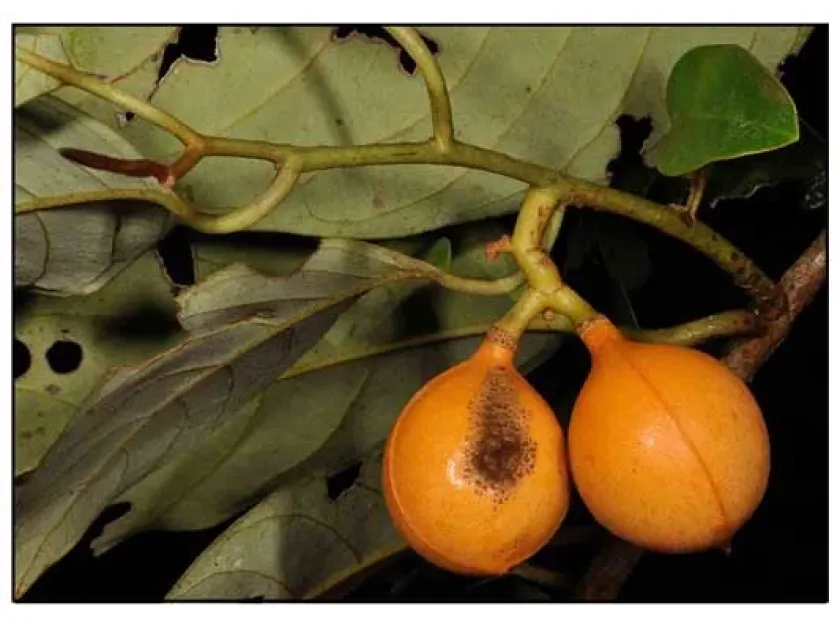
Description
Growing requirements
Myristica simiarum is a tropical evergreen tree belonging to the Myristicaceae family, native to the Philippines. It is a slow-growing species naturally occurring in dense tropical rainforests, requiring specific ecological niches to thrive.
The tree requires a warm, humid climate with temperatures consistently above 18 degrees Celsius throughout the year. It does not tolerate cold drafts or dry atmospheric conditions, which can lead to premature leaf drop and stunted growth.
Ideal soil conditions consist of deep, well-drained loamy soils rich in organic matter. Proper drainage is essential, as the species is highly susceptible to root decay if water is allowed to accumulate around the base of the trunk.
Agricultural management involves providing partial shade during the initial growth stages to replicate the natural understory environment. Fertilization programs should focus on organic amendments to maintain long-term soil structure and fertility.
Economically, the species is primarily valued for its timber, which is harvested from managed forests. While related to commercial nutmeg, Myristica simiarum has distinct chemical properties that make it a subject of ongoing botanical research.
Main diseases and pests
Root rot caused by various soil-borne fungi is the most significant threat to Myristica simiarum, particularly in regions with heavy rainfall and poor soil structure. Maintaining proper aeration is the best preventive measure.
Pests such as wood-boring beetles and scale insects can cause structural damage to the trees. Early identification and manual removal of infested parts are recommended to avoid chemical intervention.
Leaf-spot diseases often emerge during peak rainy seasons, potentially compromising the photosynthetic capacity of the foliage. Proper spacing and airflow management within the orchard are vital for disease control.
Defoliating insects can occasionally cause outbreaks, requiring careful monitoring to ensure that young trees do not lose too much foliage. Integrated pest management strategies are preferred over broad-spectrum pesticides.
Environmental stress, such as extreme heat or drought, weakens the natural immunity of the tree, making it more susceptible to opportunistic pathogens. Consistent irrigation and soil moisture management are crucial for tree health.