
Silver nutmeg
Myristica argentea
Description
Growing requirements
Silver nutmeg (Myristica argentea) is an evergreen tropical tree belonging to the Myristicaceae family. It is native to the Indonesian islands, particularly New Guinea, where it thrives in humid tropical rainforest environments.
The species requires a consistently warm climate to flourish. Optimal growth temperatures range between +22 and +30 degrees Celsius. The plant is highly intolerant to frost and cannot withstand prolonged drought conditions, making its cultivation restricted to specific tropical zones.
Success in cultivating this crop depends on soil and air moisture levels. Deep, fertile, well-draining loamy soils are ideal. A slightly acidic to neutral pH level is preferred, and the soil must be rich in organic matter to support the tree's development.
Agronomic management involves providing adequate protection from harsh winds, especially for young trees. While mature trees tolerate more light, partial shade is often beneficial in the early growth stages to simulate the conditions of the natural forest understory.
Propagation is primarily achieved through seeds. Because these seeds have a short shelf life and lose viability rapidly, they must be sown immediately after harvesting. Proper field maintenance includes weed control and periodic organic fertilizing to stimulate growth.
Yield
The primary economic output of Myristica argentea is its aromatic seeds, often referred to as Papuan nutmeg. While the oil composition differs from the common Myristica fragrans, it remains a valuable spice in local food and medicinal industries.
Trees typically begin to bear fruit between 7 and 10 years after planting. Productivity can be maintained for several decades if the trees are kept in a healthy state with consistent water and nutrient management throughout the growing season.
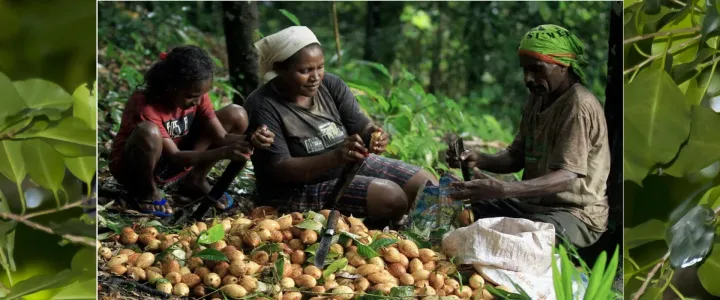
Yields are variable and highly dependent on environmental stability. Harvesting is performed manually as the outer fleshy pericarp of the fruit begins to split, signaling that the seed inside is mature and ready for extraction.
After collection, the seeds and the aril (mace) are separated from the fruit. The seeds are then carefully dried to ensure longevity and quality. This process involves reducing moisture content until the kernel rattles within its hard shell.
Properly dried silver nutmeg maintains its characteristic spicy aroma for an extended period. The drying process is essential to prevent fungal growth, which can quickly ruin the quality of the harvested spice batch.
Main diseases and pests
The main threat to silver nutmeg plantations is root rot caused by stagnant water or poor drainage. Maintaining soil health and implementing proper drainage systems are the most effective preventive measures against these fungal pathogens.
Insect pests, including various mealybugs and leaf-eating beetles, can affect plant vigor. Regular monitoring of the foliage is essential to detect early infestations and implement localized control methods rather than widespread pesticide application.
Fungal diseases require careful management using systemic fungicides if the infection becomes widespread. Integrating these practices with strict quarantine protocols for new planting materials is necessary to prevent the introduction of regional plant diseases.
Weeds pose a significant challenge, competing for nutrients and water in the root zone. Mulching with organic material is a recommended practice that controls weeds while simultaneously improving soil moisture retention and overall fertility.
Overall plant resistance is significantly bolstered by maintaining balanced soil nutrition and selecting high-quality planting sites. Ensuring the tree is not stressed by nutrient deficiencies allows it to better withstand typical tropical pests and diseases.