
Musa uranoscopos
Musa uranoscopos Lour.
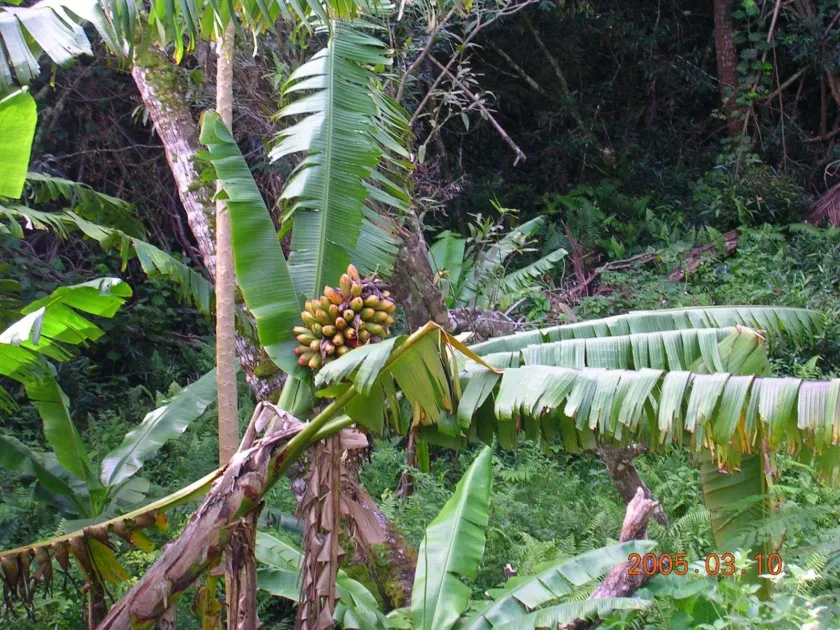
Description
Growing requirements
Musa uranoscopos is a distinctive perennial herb belonging to the Musaceae family. It is native to the tropical regions of Southeast Asia, where it thrives in warm, humid forest environments characterized by consistent thermal conditions throughout the year.
The plant requires temperatures between 22 and 28 degrees Celsius for optimal growth. It is highly intolerant to frost, and even minor temperature drops can significantly impede its physiological processes or lead to irreversible damage.
Cultivation requires well-draining, nutrient-rich soils with a pH level ranging from neutral to slightly acidic. Providing a substrate that retains moisture without becoming waterlogged is crucial for maintaining root health and preventing fungal rot.
High relative humidity is essential for the development of healthy foliage. In greenhouse settings, supplemental misting is often employed to mimic the plant's natural habitat and ensure leaf integrity.
Adequate sunlight is necessary for photosynthesis, yet direct exposure during the peak heat of the day can scorch the large leaves. Providing filtered or partial shade is recommended to preserve the plant's ornamental quality.
Yield
The primary utility of Musa uranoscopos is its high aesthetic value. It is cultivated extensively in botanical gardens and private collections for its unique, erect inflorescence, which stands out compared to the nodding bunches of commercial bananas.
While the fruit is botanically similar to other bananas, it is generally considered inedible or of low quality for consumption due to a significant seed count and fibrous texture, making it unsuitable for large-scale agricultural food production.
In certain regional contexts, components of the plant are utilized for minor artisanal purposes, such as fiber extraction, though these practices are primarily traditional and localized rather than industrial.
Effective management involves consistent fertilization schedules. Nitrogen-based fertilizers are typically used during the vegetative phase to encourage leaf size, while potassium-rich fertilizers support the development of the complex inflorescence.
Propagation is primarily vegetative, utilizing the suckers or offshoots that emerge from the parent plant's rhizome. This method ensures the genetic stability of the ornamental traits characteristic of the species.
Main diseases and pests
The species is susceptible to various fungal pathogens, particularly if airflow is restricted and humidity remains excessive. Leaf spot diseases are common and can rapidly diminish the plant's visual appeal if left untreated.
Insect pests, such as spider mites and mealybugs, pose a recurring threat, particularly in enclosed environments. These pests thrive in dry conditions or where the plant is stressed, leading to sap depletion and stunted development.
Integrated pest management strategies are advised, emphasizing the use of biological controls where possible and targeted chemical applications only when infestations exceed acceptable economic thresholds.
Maintaining high hygiene standards in the growing area is critical. Removing decaying organic matter and disinfecting tools after use prevents the transmission of systemic pathogens between specimens.
Consistent monitoring of the rhizosphere and soil moisture levels is the most effective preventative measure against root-borne diseases that frequently plague tropical monocotyledons.