
Sikkim banana
Musa sikkimensis Kurz
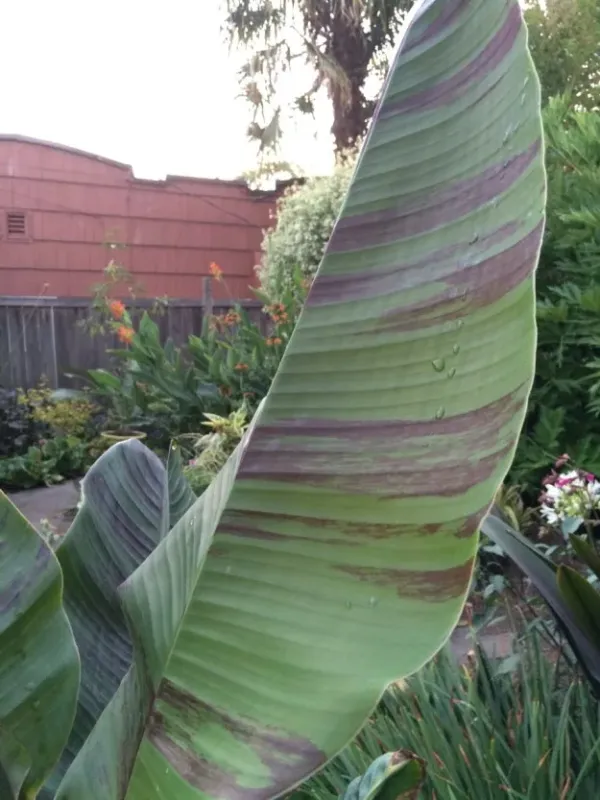
Description
Sowing dates
Sikkim banana seeds possess a very hard seed coat, which necessitates scarification before sowing. You must carefully nick or sand the shell to allow moisture to penetrate the seed embryo.
After scarification, soak the seeds in warm water for 24 to 48 hours. Regularly changing the water helps prevent fermentation and ensures the seeds remain adequately hydrated for germination.
Use a sterile, well-draining sowing medium such as a mixture of peat moss and perlite. Cover the container with plastic wrap to maintain high humidity and a consistent temperature of 25–30°C.
Late winter is the ideal time to start seeds indoors. This strategy ensures that by the time spring arrives, seedlings are already established and ready to be moved into larger containers.
Once seedlings reach the stage of producing two to three true leaves, carefully transplant them into individual pots. Be extremely gentle with the roots, as they are fragile during the early stages of growth.
Growing requirements
Belonging to the Musaceae family, the Sikkim banana is a hardy species originating from the Himalayan foothills. Its ability to tolerate cooler climates makes it a popular choice for temperate garden zones.
This plant thrives in fertile, loamy soil with excellent drainage. While it appreciates moisture, the roots should never remain waterlogged, as this is the primary cause of plant decline.
Provide the plant with bright, indirect sunlight throughout the growing season. In areas with intense summer heat, light afternoon shade is recommended to prevent scorching the broad leaves.
Water the plant deeply during the warm months, allowing the top layer of soil to dry out slightly between waterings. During winter dormancy, reduce irrigation significantly to match the plant's slower metabolism.
Apply a balanced liquid fertilizer during the active growing season to support its vigorous growth. Cease all fertilization in late autumn as the plant prepares for its winter resting period.
Main diseases and pests
The most common pests for Musa sikkimensis are spider mites and mealybugs, which thrive in indoor environments with low air humidity. Regular leaf cleaning helps to deter these infestations.
Root rot is the most dangerous condition for Sikkim bananas, usually caused by overwatering or poor drainage. Ensure that the pot has large drainage holes to allow excess water to escape.
Fungal leaf spots can occur when air circulation is poor or humidity is excessively high. Improving ventilation around the plant often resolves these mild fungal issues without requiring chemicals.
Cold drafts during winter can cause significant stress, potentially leading to leaf yellowing or stunted growth. Protect the plant from sudden temperature drops to maintain its overall health.
Monitoring the undersides of the leaves is critical for early detection of pests. Use neem oil or insecticidal soap if an infestation is detected to maintain a safe, organic growing environment.