
Musa itinerans
Musa itinerans Cheesman
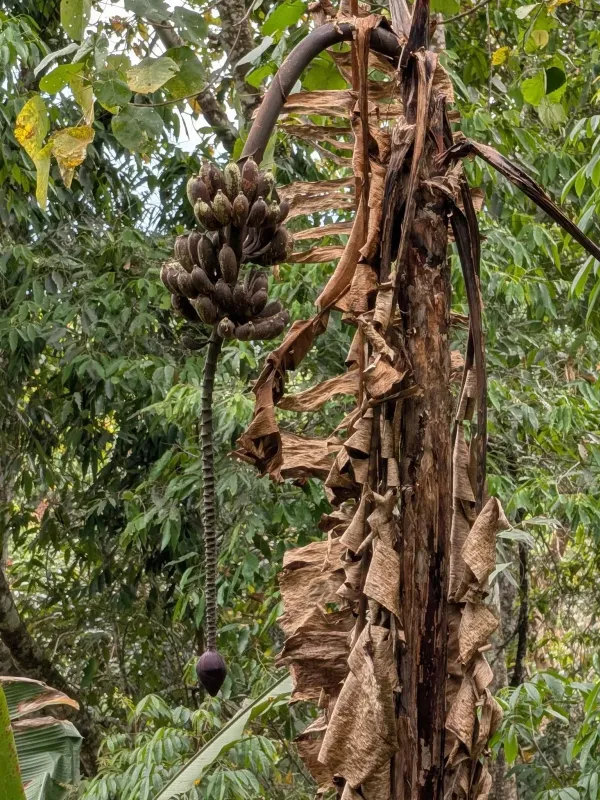
Description
Growing requirements
Musa itinerans is a robust perennial herb belonging to the Musaceae family. It is known for its tall, slender pseudostems and its ability to thrive in diverse environments throughout Southeast Asia and the Himalayan foothills.
The plant originates from tropical and subtropical regions. It performs best in environments where consistent rainfall or irrigation provides high humidity, alongside temperatures that rarely drop below freezing.
Success in cultivation requires well-draining, nutrient-rich soil with a slightly acidic profile. Farmers should focus on incorporating organic mulch to maintain moisture levels and improve soil structure over time.
Sunlight requirements are significant; while the plant can tolerate partial shade, maximum fruit production is achieved when the foliage receives plenty of bright, indirect sunlight throughout the day.
Strategic planting density is essential to ensure adequate airflow. This prevents excessive moisture accumulation, which can be detrimental to the leaves and foster fungal growth in dense canopy environments.
Main diseases and pests
Panama disease, caused by Fusarium oxysporum, remains the most significant threat to this species. It infects the vascular system and prevents the transport of water and nutrients throughout the plant.
Bacterial wilt is another major concern, often leading to rapid necrosis of foliage and the rotting of the pseudostem, requiring strict quarantine measures on affected sites.
Pest management should prioritize monitoring for the banana weevil and various nematode species. These pests often cause secondary infections by creating entry points for fungal pathogens.
Aphid infestations must be managed aggressively as they are primary vectors for banana bunchy top virus, which can devastate entire plantations if left unchecked.
Cultural practices such as removing debris and weed control are fundamental to reducing the populations of these pests and maintaining a healthy growing environment for the Musa itinerans crop.