
Japanese fiber banana
Musa basjoo Siebold & Zucc. ex Iinuma
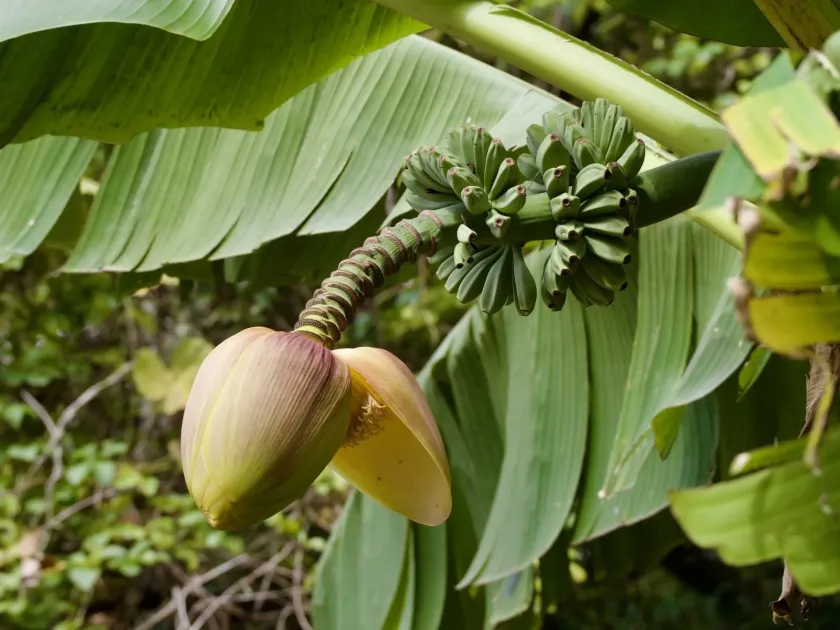
Description
Growing requirements
The Japanese fiber banana, botanically known as Musa basjoo, is a perennial herbaceous plant belonging to the Musaceae family. Originating from southern China, it has become one of the most popular hardy banana species cultivated for ornamental purposes in temperate regions globally.
This plant is characterized by its large, paddle-shaped leaves that can reach impressive sizes under ideal growing conditions. The pseudo-stem, consisting of tightly overlapping leaf bases, can grow significantly each season, providing a lush, tropical aesthetic to any garden landscape.
Successful cultivation requires a site with fertile, well-draining soil rich in organic matter. These plants thrive in locations with full sun to partial shade and demand high moisture levels during the peak growing season to support their rapid development of foliage.
While Musa basjoo is known for its cold tolerance, it is not immune to freezing temperatures. In regions with harsh winters, growers must implement protective measures such as cutting back the foliage and heavily mulching the root zone to ensure the plant survives to sprout again in the spring.
Economically, the plant is primarily used as a feature in exotic landscaping. Historically, the pseudo-stems were harvested to extract strong fibers, which were processed into textiles, demonstrating the practical historical value of this unique horticultural species.
Main diseases and pests
Fungal diseases such as leaf spot are common issues in environments with poor airflow or excessive humidity. Maintaining healthy spacing between plants and removing any decaying foliage promptly can significantly reduce the pressure from these common plant pathogens.
Pests like spider mites and mealybugs often affect the plant, especially when it is grown in sheltered or containerized conditions. Periodic inspection of the undersides of the leaves is recommended to detect these infestations before they spread across the plant.
Root rot is a critical threat that usually stems from waterlogged soil or poor drainage systems. Since the plant enters a period of dormancy in winter, reducing irrigation is essential to prevent the root system from becoming susceptible to rot during the colder months.
Nematodes are another potential threat, particularly in warm, sandy soils where they can damage the root system. Using certified healthy planting stock and practicing proper soil management can help mitigate the risk of these microscopic pests affecting plant vigor.
Mechanical damage caused by strong winds can lead to shredded leaves, which not only affects the aesthetic value but also creates entry points for various bacterial and fungal infections. Placing the plants in a wind-sheltered area is a key strategy for maintenance.