
Sishuangbanna banana
Musa itinerans Cheesman var. xishuangbannaensis Häkkinen
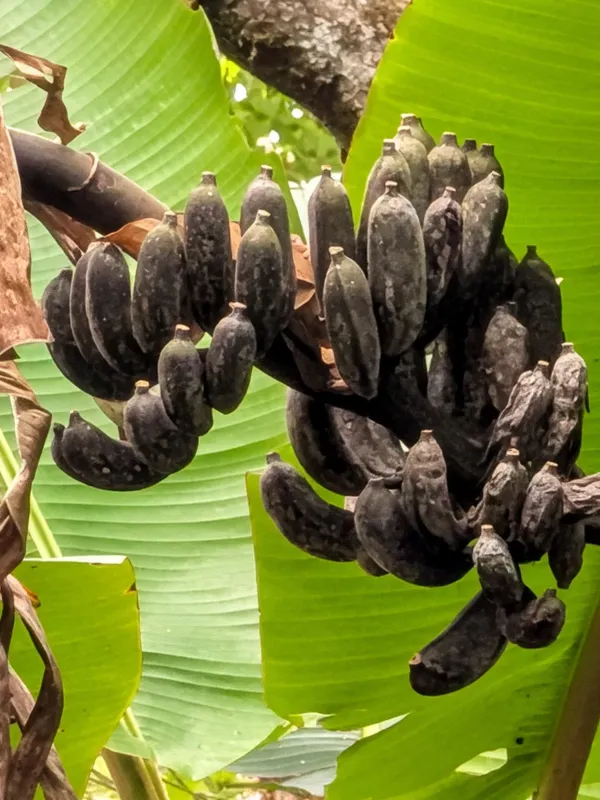
Description
Growing requirements
The Sishuangbanna banana (Musa itinerans var. xishuangbannaensis) is a distinctive member of the Musaceae family. It is a robust perennial herb known for its rapid growth rate and significant structural height in native tropical environments.
Originating from the Xishuangbanna region in Yunnan, China, this species thrives in humid, subtropical, and tropical climates. It is typically found in forest margins where it benefits from high humidity and partial shade during its early growth stages.
The crop requires fertile, well-draining soils rich in organic matter. Soil pH levels between 5.5 and 6.5 are ideal for nutrient uptake, and maintaining high organic content is essential for long-term productivity and soil health.
Climate requirements include high air humidity and a stable temperature range, ideally between 22 and 28 degrees Celsius. Protection from strong winds is crucial, as the large leaves are highly susceptible to mechanical damage from heavy gusts.
Agrotechnical management relies on frequent irrigation and balanced fertilization programs. Potassium levels must be monitored closely, as this macronutrient is vital for the development of the pseudostem and the quality of the fruits produced.
Main diseases and pests
The most devastating threat to banana cultivation is Panama disease, caused by Fusarium oxysporum. This fungus blocks the vascular tissues, leading to the wilting and eventual death of the entire plant structure.
The banana weevil (Cosmopolites sordidus) poses a persistent threat to the base of the plant. Its larvae tunnel through the rhizome, which severely hinders growth and can cause the plant to collapse under its own weight.
Mites and aphids are common pests that thrive in dry periods or poorly ventilated areas. These insects can cause leaf deformity and serve as vectors for various plant viruses that reduce yield and fruit quality.
Integrated Pest Management (IPM) strategies are highly recommended to mitigate damage. These include using clean, certified planting material, regular field inspections, and applying biological control agents whenever possible.
Good plantation hygiene, including the removal of infested plant debris, is vital. Proper spacing between plants also ensures better airflow, which reduces the incidence of fungal diseases favored by stagnant, humid microclimates.