
Sansevieria gracilis
Sansevieria gracilis N. E. Br.
Description
Growing requirements
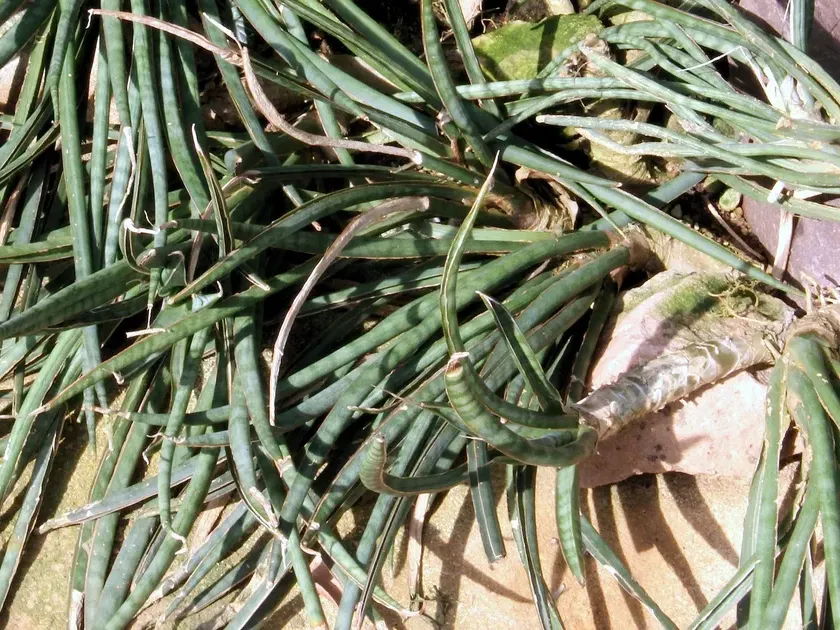
Sansevieria gracilis is a distinct perennial succulent plant belonging to the Asparagaceae family. Known for its slender, cylindrical, and uniquely patterned leaves, it is a prized species for its architectural appearance and endurance.
The plant originates from East Africa, specifically the arid environments of Kenya. In its native habitat, it grows in rocky terrain, which has contributed to its specialized biological mechanism for water retention and drought tolerance.
Botanic characteristics include a rosette formation with leaves that feature a dark green mottled pattern. The plant relies on a fleshy rhizome system, which acts as a storage organ for water and essential nutrients during harsh dry seasons.
Agronomic requirements emphasize the need for excellent drainage. A substrate consisting of coarse sand, perlite, and a small amount of potting soil is optimal to prevent the suffocating of roots caused by moisture saturation.
The species prefers bright, indirect light to maintain its compact form and distinct coloration. Temperature ranges should ideally be maintained between 18 and 28 degrees Celsius, avoiding exposure to frost, which the plant cannot survive.
Main diseases and pests
The primary threats to Sansevieria gracilis involve fungal pathogens caused by overwatering. Root rot and stem base decay are the most common fatal conditions, often triggered by insufficient aeration of the growing medium.
Insect pests, notably spider mites and mealybugs, are frequent challenges in closed cultivation. These pests thrive in dry, stagnant air conditions and can quickly colonize the base of the leaves, causing severe stress.
Managing the plant health requires a strict regimen of drying out the soil between watering cycles. Ensuring adequate air circulation around the plants significantly reduces the risk of fungal outbreaks.
Treatment for identified infestations includes using systemic insecticides or horticultural oils. Early detection through regular visual monitoring is crucial, as the waxy leaf surface can sometimes hide small pest colonies.
Maintaining cleanliness in the growing area is essential for crop longevity. Removing dead leaves and debris helps prevent the buildup of pathogens, ensuring the health and vitality of the specimen throughout its lifecycle.