
Sansevieria fischeri
Sansevieria fischeri (Baker) Marais
Description
Growing requirements
Sansevieria fischeri is a perennial succulent belonging to the Asparagaceae family. Native to the semi-arid regions of Kenya, this species has evolved to withstand long periods of drought, making it an extremely resilient biological organism.
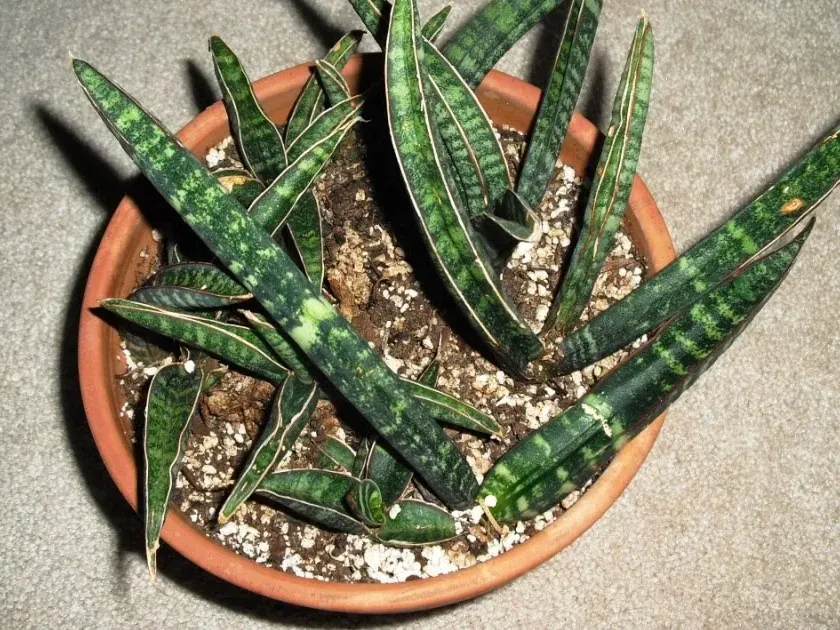
Botanically, it is characterized by its stiff, fleshy leaves that often grow in a distinct rosette pattern or in groups. The plant possesses a robust rhizomatous root system, which acts as the primary storage organ for nutrients and water during harsh conditions.
Climate requirements involve maintaining temperatures between 20°C and 28°C during the growing phase. While it can survive in lower light, vibrant growth and structural integrity are best achieved under bright, indirect light conditions.
The soil substrate must be highly porous and inorganic-heavy. A mix of pumice, perlite, and coarse sand combined with a small amount of potting soil is ideal to ensure maximum drainage and prevent water logging, which is fatal to the root system.
Agrotechnical practices focus on the 'soak and dry' method, where irrigation is applied thoroughly but infrequently. Over-fertilization should be strictly avoided to prevent succulent tissue hypertrophy, which weakens the plant's natural resistance.
Main diseases and pests
Root rot, primarily caused by Pythium or Phytophthora species, is the most significant threat to Sansevieria fischeri. It occurs predominantly when the soil medium fails to drain sufficiently or when ambient temperatures remain low during the watering phase.
Fungal leaf spots are another concern, usually appearing when the plant is kept in an environment with high humidity and poor air ventilation. These infections can lead to permanent aesthetic damage to the leaves.
Pest populations such as mealybugs can colonize the base of the leaves and the growth center. They thrive in protected environments where there is a lack of predators, potentially leading to stunted growth if left unchecked.
Scale insects are also prevalent pests that attach to the hard epidermis of the leaves. Their presence can be identified by the formation of hard, brown bumps, which are the protective shells of the insects feeding on the plant sap.
Effective management strategy includes strictly maintaining dry foliage after watering and ensuring adequate airflow. Systematic application of horticultural oils or approved insecticides is recommended to control populations without damaging the plant's sensitive leaf structure.