
Sansevieria dooneri x parva
Sansevieria dooneri x Sansevieria parva
Description
Growing requirements
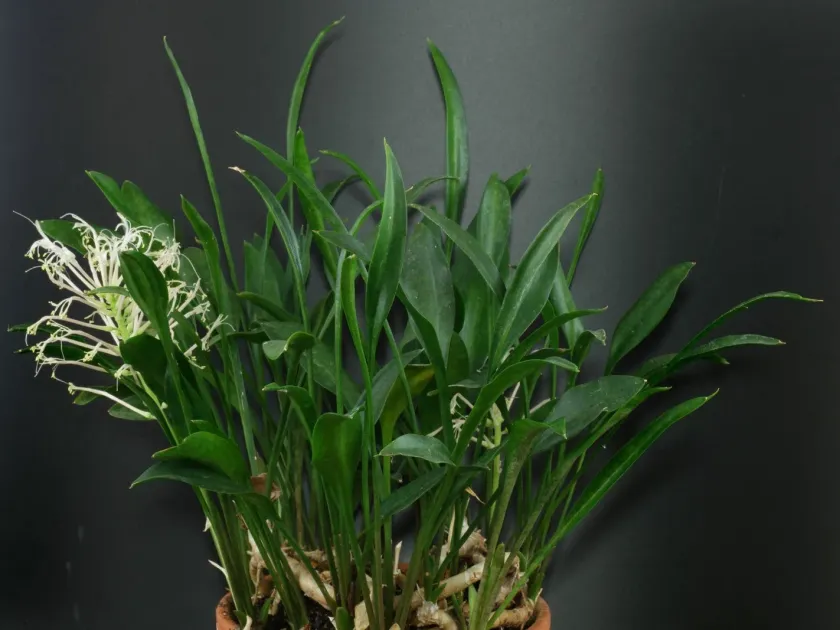
Sansevieria dooneri x parva is a distinctive hybrid belonging to the Asparagaceae family. This ornamental crop is highly valued by collectors for its rosette-forming habit and the intricate, mottled patterns on its slender, lanceolate leaves, which draw characteristics from both parent species.
The plant originates from the tropical regions of East Africa, where its ancestors evolved in environments characterized by seasonally dry conditions and high light intensity. In commercial and domestic cultivation, it has proven to be a resilient plant, well-adapted to indoor conditions.
Environmental requirements for this hybrid include stable temperatures, ideally between 18°C and 26°C. While it is tolerant of low-light conditions, it thrives best when exposed to bright, indirect light, which encourages more compact growth and vibrant leaf coloration.
Soil requirements focus on high porosity and excellent drainage. A specialized succulent or cactus potting mix is highly recommended to ensure that the root system remains well-aerated, as stagnant water is the primary cause of decline in this species.
The agricultural and ornamental use of this plant is primarily focused on interior landscaping and air purification. Its ability to thrive with minimal water and maintenance makes it a sustainable choice for greening indoor office and residential spaces.
Main diseases and pests
The primary threats to Sansevieria dooneri x parva involve phytopathological issues related to water management. Overwatering frequently leads to rhizome rot, caused by various fungal pathogens, which can rapidly destroy the plant's vascular system.
Mealybugs are the most common insect pests associated with this plant. They tend to cluster in the tight leaf axils, making detection difficult until a significant infestation has developed; manual removal and insecticidal soaps are standard control measures.
Spider mites represent a secondary threat, particularly in environments with very low relative humidity. They feed on the leaf surface, leading to discolored patches and reduced photosynthetic capacity, which can weaken the plant over time.
Scale insects can also infest the leaves, feeding on plant sap and potentially weakening the structure of the foliage. Regular visual inspections of the leaf undersides are critical for early detection and prevention of widespread damage to the collection.
To maintain plant health, it is essential to avoid getting water into the center of the leaf rosette during irrigation, as this often creates a microclimate for bacterial soft rot. Proper air circulation around the plants remains the best preventative measure against most biotic threats.